Fake Fuel Rumours Expose Business Cost of Misinformation
Viral claims on fuel, travel and scams are disrupting queues, purchases and trust, turning misinformation into a daily business risk for Indians.
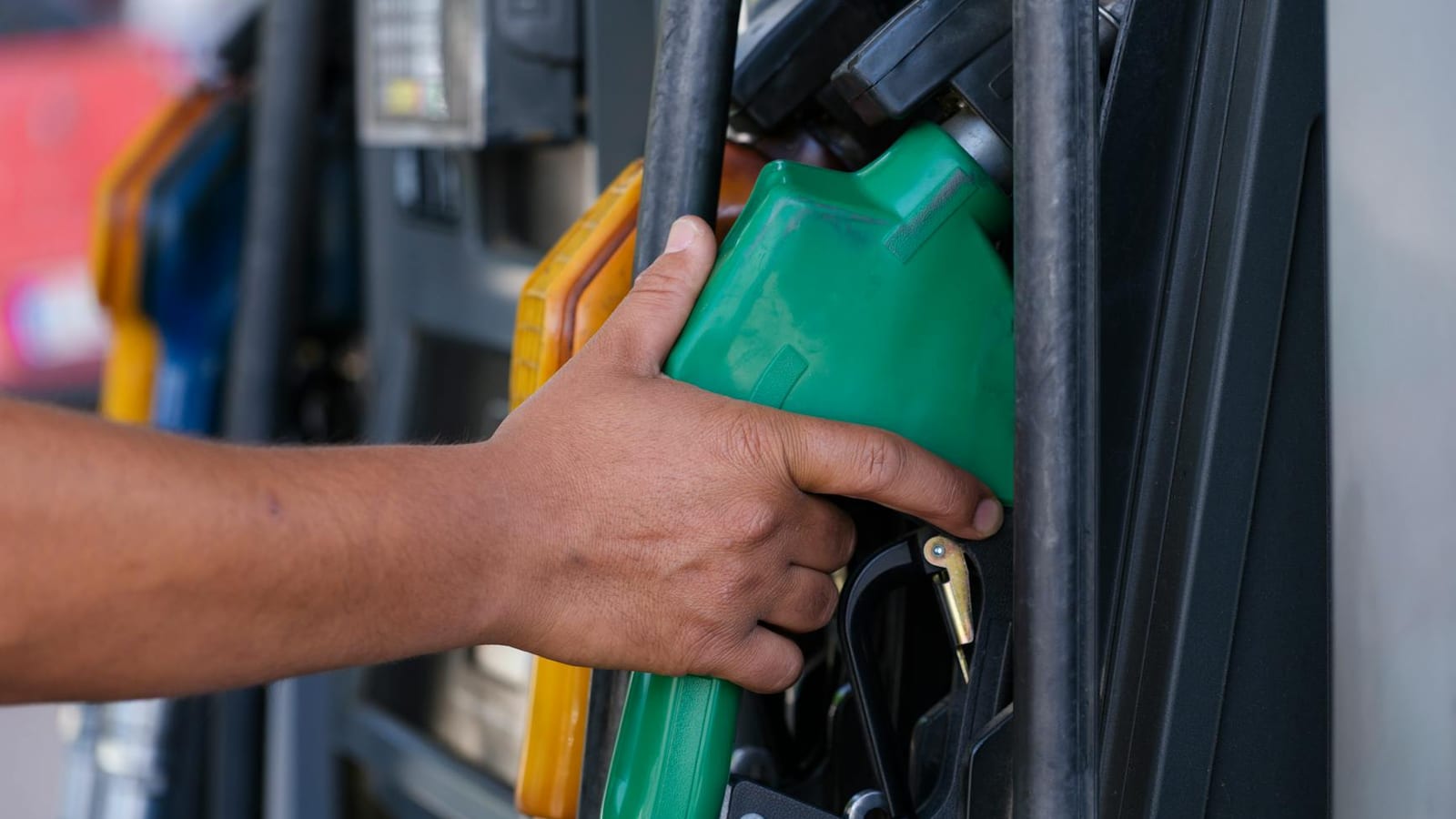
A rumour about petrol pumps can empty tanks faster than a price hike.
That is the real business story inside India’s daily flood of fake claims. One day it is fuel supply. Another day it is airline cancellations, gold controls, free mobile recharges, or liquor bans. Each false claim looks small on a phone screen. Together, they can move crowds, sales, queues, and trust.
For ordinary people, misinformation is not just a political nuisance. It can become a household budgeting problem. It can push families to panic-buy fuel, delay travel, click scam links, or distrust a real public notice.
Rumours now hit wallets first
Recent fact-checks flagged a familiar pattern. Several viral claims used public fear around essentials. One claimed India had oil left for only two days. Another claimed petrol pumps would remain shut on Sundays.
Both claims matter because fuel is not an abstract commodity in India. It decides school runs, shop deliveries, app-cab fares, vegetable prices, and factory shifts. A false petrol message can trigger real queues outside pumps.
A small transporter does not have the luxury of waiting for clarity. If he believes diesel may run short, he buys early. If thousands do that together, a fake shortage can create a temporary rush.
That is how misinformation becomes an economic event. The rumour does not need to be true. It only needs enough people to behave as if it is true.
The same logic applies to gold. A viral claim suggested fresh controls on gold, and linked it to earlier political decisions. Gold is emotional money in India. Families use it for weddings, savings, loans, and emergency cash.
Even a loose rumour can unsettle buyers. A jewellery shop owner may see customers rush in with half-formed fears. A family planning a wedding may advance a purchase. Others may freeze until they hear more.
Airlines, buses and public panic
A separate false claim said Air India had cancelled all international flights. For a country with millions of workers, students, and families abroad, that is not a minor rumour.
Flight misinformation hits people in a very practical way. Travellers call agents. Parents panic about children overseas. Small exporters worry about cargo. Travel desks waste hours answering questions that should never have existed.
Airlines already operate in a trust-heavy business. Passengers pay large sums before they receive the service. Any fake cancellation notice attacks that trust directly.
Public transport faces similar damage. One viral claim linked a woman accused of breaking a KSRTC bus window to a political figure’s family. The detail may sound local, but the effect is wider.
Such claims drag public institutions into political noise. They also distract from real questions. Was there damage? Who is responsible? Did the transport body act fairly? A false family link shifts attention from facts to anger.
For a state bus operator, reputation matters. It carries daily wage workers, students, office staff, and families. If every incident becomes a political weapon, public confidence takes another hit.
Scam bait follows election noise
Some false claims were built around elections. One said the UDF was offering three months of free mobile recharge after a victory. That kind of message deserves special attention.
Free recharge rumours are classic scam bait. They work because they promise something small but useful. A person does not need to be greedy to click. They only need to be tired, curious, or short of money.
The damage can go beyond a wasted click. Such links may collect phone numbers, payment details, or app permissions. A fake political reward can quickly become a data trap.
This is where misinformation meets the digital economy. India has made payments, phone numbers, and identity systems part of daily life. That convenience also gives scammers more doors to knock on.
A young professional may ignore a wild political claim. But a fake recharge link in a family WhatsApp group feels different. It arrives through trust, not through a random website.
That is why political misinformation often carries a business cost. It trains people to act quickly, before checking. In markets, that habit is expensive. In digital finance, it is dangerous.
AI makes falsehood cheaper
Several flagged claims also used manipulated images or artificial intelligence. One claimed a public figure’s son appeared with an actor. Another used an AI-made image after a boat tragedy.
This is the new problem. Fake visuals once needed skill, time, and software. Now anyone with a cheap tool can create a believable image in minutes.
For businesses, this raises the risk sharply. A fake image of a factory fire, a bank notice, an airline update, or a product recall can travel fast. By the time a company denies it, customers may already have acted.
Politics, cinema, and business now share the same attention market. A false image of actor-politician Vijay can travel through the same networks that spread a fake fuel notice or airline rumour.
The format changes, but the method stays the same. Take a well-known name. Add a current anxiety. Package it as urgent. Push it into groups where people trust the sender.
The cost of creating misinformation has fallen. The cost of correcting it has risen.
Trust is now an asset
The repeated use of names like BJP, Amit Shah, Rahul Gandhi, Mamata Banerjee, and public agencies shows another trend. Fake claims borrow authority from familiar names.
That borrowed authority is the whole trick. People may not believe an unknown account. But they may pause when a message mentions a minister, a party, an airline, or a state agency.
Companies and governments must treat this as a daily operating risk. A denial after two days is too late. Clear websites, verified social handles, and quick public clarifications now matter as much as press releases.
Ordinary readers also need a slower thumb. If a message asks you to act fast, spend money, travel, click, forward, or panic, check it twice. Urgency is often the first smell of a fake.
India’s information market is only getting noisier. The next rumour may not topple a company or crash a sector. But it can still make a family waste money, miss a flight, or hand data to a scammer. In the end, trust is becoming a public utility. Once it breaks, everyone pays.