Exxon Q1 profit halves as Hormuz shutdown threatens India fuel bill
Exxon Q1 profit halves as Hormuz shutdown threatens India fuel. Read the latest Business Leader report on the people, policy and markets affected by this.
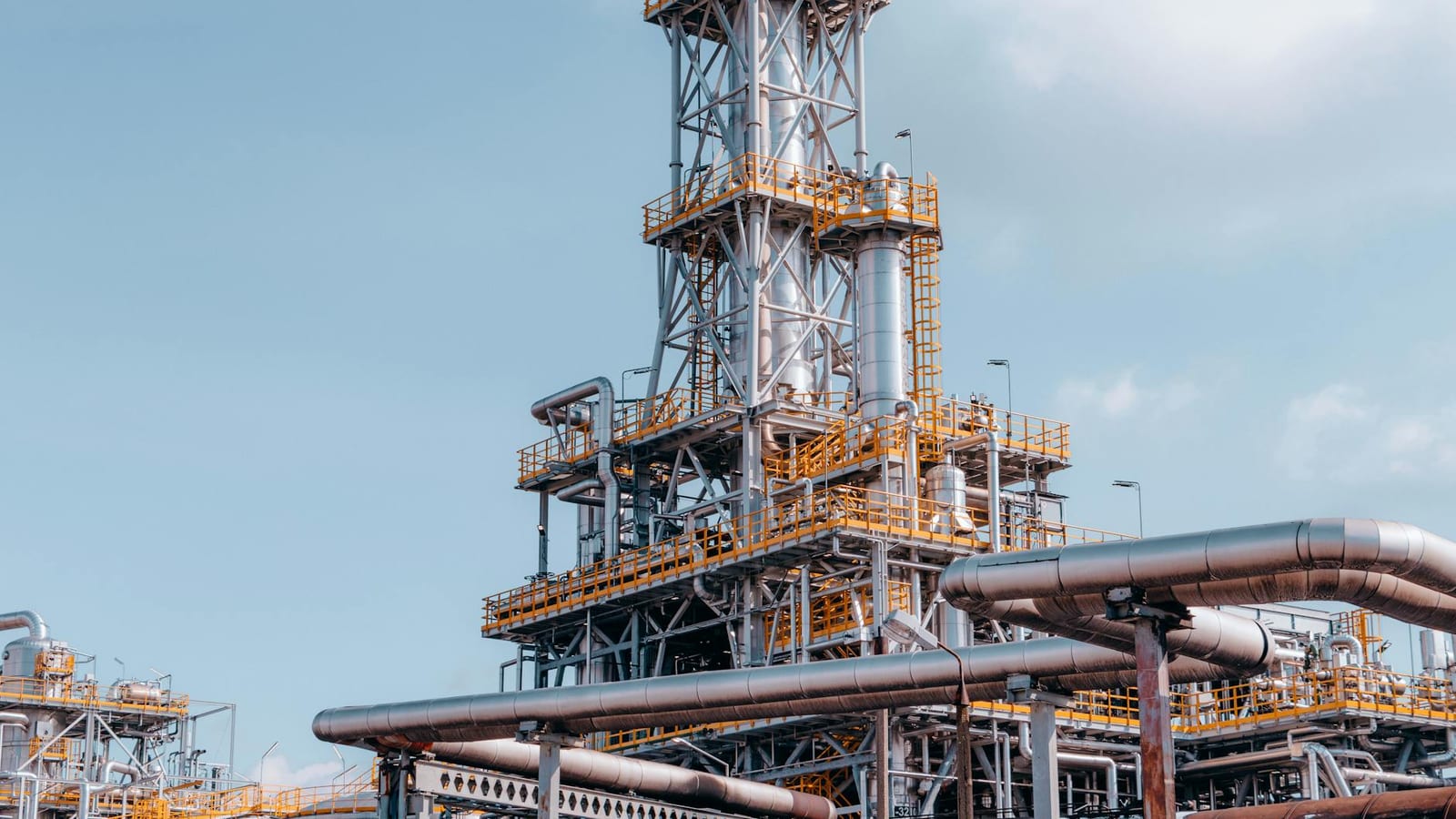
When the world’s biggest non-state oil company beats Wall Street and the market still sells it off, something deeper is going on.
Exxon Mobil Corporation earned $1.16 per share for the first quarter. That comfortably beat the $1.00 analysts had penciled in, according to Mint. By the textbook, the stock should have lifted. Instead, Exxon shares slipped about 1.2 percent in morning trading in New York, settling near $152.43.
Why? Because the headline number hides a much rougher picture. Net income, the actual money Exxon kept after every cost, fell to $4.2 billion. That is the lowest quarterly figure the company has posted since early 2021. It marks a steep drop from the $7.7 billion Exxon earned a year ago. Roughly half its profit, gone in twelve months.
The reason sits in the Persian Gulf. The conflict in Iran has shut down the Strait of Hormuz. That narrow shipping lane normally handles about 20 percent of the world’s oil and gas trade. Exxon depends on this region more than most of its peers. About one out of every five barrels it produces comes from Middle Eastern fields. When the lane closes, the barrels stay stuck.
Production tells the story in numbers. Exxon pumped 4.59 million barrels of oil equivalent per day across its global operations in Q1. That is up slightly year on year. But it sits nearly 8 percent below the 5 million the company managed in the previous quarter. If the Strait stays shut for the rest of the second quarter, output could fall further. The company expects between 4.1 and 4.3 million barrels per day. That works out to about 750,000 fewer Middle Eastern barrels every day compared with last year.
Chief Executive Darren Woods used his post-earnings call to deliver a warning. Every Indian finance minister should sit up.
The market, he said, has not yet fully felt the supply disruption. Inventories from previous months have absorbed some of the shock. Once those drawdowns end, prices have nowhere to go but up. Even if the Strait of Hormuz reopens tomorrow, normal shipping flows will need one to two months to recover, Woods told analysts. Operators must reposition tankers. Insurance markets must settle. Crews must return to ports.
For India, none of this is academic. The country imports more than 85 percent of its crude oil. A large slice of that flows through the same Strait that has stopped working. Brent prices already sit well above $100 a barrel. Every dollar above that line adds roughly a billion dollars a year to India’s import bill. It hits the rupee, widens the current account deficit, and slowly seeps into petrol and diesel pumps.
A small business owner running a delivery fleet in a tier-2 city has already felt the squeeze. So has a household stretching its monthly budget around inflated transport and food prices. Trucks running on costlier diesel pass that cost on to vegetables, cement, everything. None of this is an Exxon problem. But Exxon’s earnings call is a clear signal that the squeeze is not done.
Not every oil major is hurting the same way. BP plc and TotalEnergies SE have actually reported higher profits this quarter. Their oil-trading arms cashed in on the volatility, Mint noted. Chevron Corporation, the second-largest American producer, has barely felt the pain. Less than 5 percent of its output comes from the Middle East. The lesson for the industry, and the one Exxon’s investors are now absorbing, is that geography matters as much as size.
The damage in Qatar adds another layer. Iranian military strikes hit two of Exxon’s liquefied natural gas trains. These are the giant facilities that chill natural gas into a shippable liquid. Woods said they will stay offline even after the Strait of Hormuz eventually reopens. Exxon is working with QatarEnergy to speed up repairs, but full output is months away. India happens to be one of the biggest buyers of Qatari LNG. Power plants, fertiliser units, and city gas networks across the country all run on it.
There is one more figure worth pausing on. Exxon’s adjusted earnings figure excludes a $700 million loss. Buyers paid for those cargoes but never received them, a direct casualty of the supply chaos from late February. In other words, the financial bruise is even larger than the headline numbers admit.
Woods kept his message simple. The disruption, he argued, does not change Exxon’s strategy. It validates it. The company plans to keep concentrating on what it calls high-quality assets. That mainly means production in Guyana and the Permian Basin in west Texas. Both carried the quarter. Guyana has been Exxon’s biggest growth story for years. The Permian shale fields give the company quick-cycle production it can dial up or down as prices move.
For ordinary Indian readers, the takeaway is uncomfortable but worth absorbing. The era of cheap petrol and diesel may be on hold for some time. Public sector oil marketing companies in India can absorb price shocks for a few weeks through subsidy mechanisms. They cannot absorb them for months. The pressure on the household budget, on small business margins, on logistics-heavy sectors like e-commerce and food delivery, will quietly build.
What Exxon’s earnings call really showed is that the world’s biggest oil company does not control the calendar. The Strait of Hormuz will reopen when geopolitics allow, not when balance sheets need it to. Until then, every Indian filling up a two-wheeler at the local pump pays a small share of the bill. That bill comes from a conflict thousands of kilometres away. That is the cost of an oil-import economy living through a war it did not start.