El Nino Risk Grows for Monsoon Rains, Food Prices
Forecasters see an 82% chance of El Nino forming in June, raising risks for India's monsoon, farm output, reservoirs and food inflation.
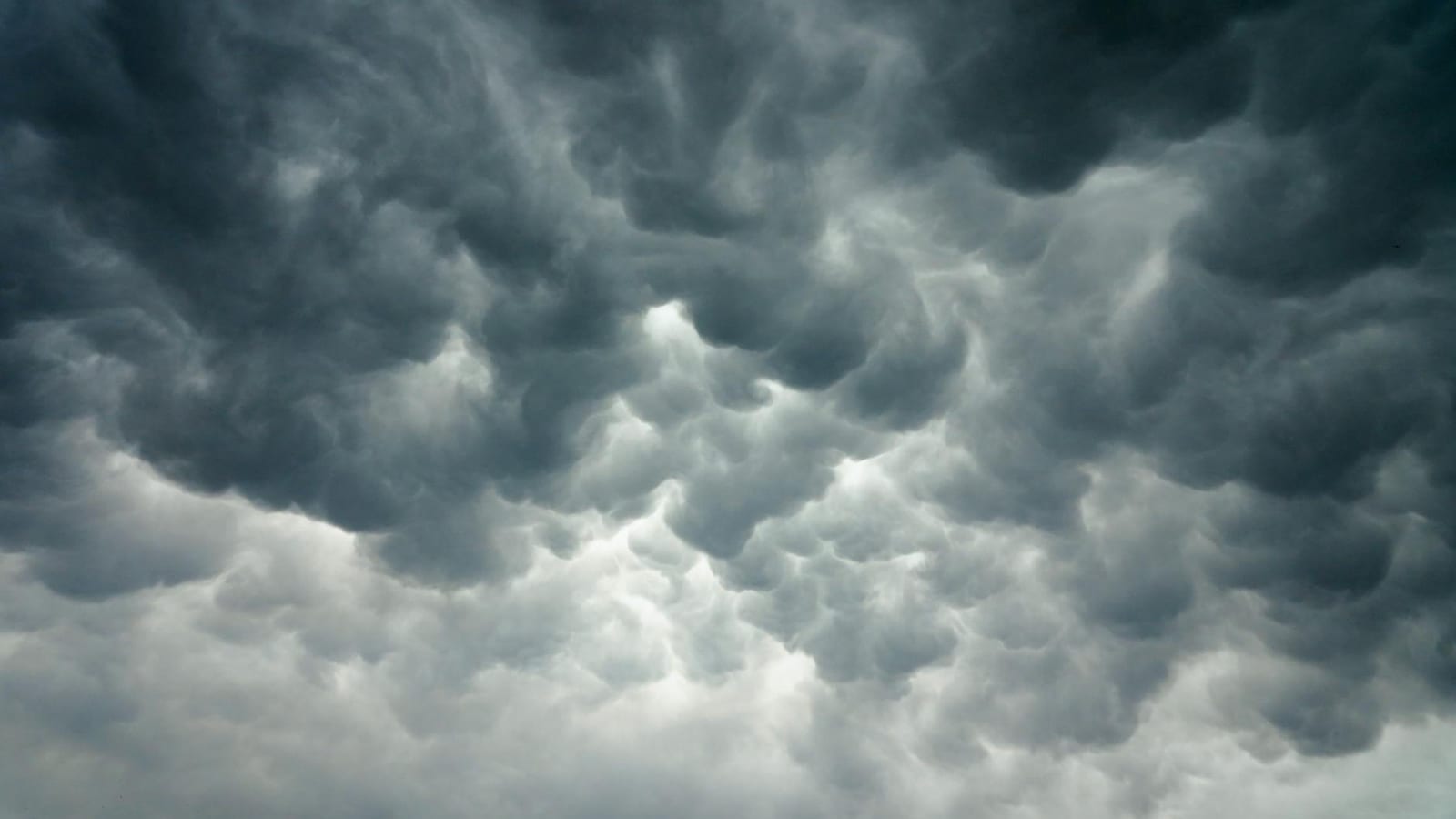
A weak monsoon is not just a weather story in India. It can decide the price of onions, the mood in mandi towns, and the size of the grocery bill in a city flat.
That is why the latest warning on El Nino deserves attention beyond weather desks. The Pacific Ocean is warming fast, and global forecasters now see a high chance of El Nino forming as early as June.
For India, the timing is awkward. June is when the monsoon normally begins settling into its rhythm. If El Nino arrives at the same time, it can disturb the winds that bring rain across farms, reservoirs, cities, and industrial belts.
El Nino arrives with monsoon
The NOAA Climate Prediction Center has indicated that neutral conditions in the equatorial Pacific may soon turn into El Nino. In simple terms, that means sea surface temperatures in a key part of the Pacific are rising above normal.
The forecast puts the chance of El Nino conditions developing in June at 82 percent. It also suggests the event could stay active through the Northern Hemisphere winter, from December 2026 to February 2027.
That matters for India because El Nino often weakens the flow of monsoon winds. These winds carry moisture into the subcontinent. When the Pacific pulls the system out of shape, India can receive less rainfall than usual.
Not every El Nino year brings drought. India has seen exceptions before. But the risk rises, and that is enough to worry farmers, food companies, traders, and governments.
Why farmers watch the Pacific
For a farmer in Maharashtra, Karnataka, Telangana, or Rajasthan, the Pacific Ocean sounds far away. Yet its temperature can decide when sowing begins, how much diesel a pump consumes, and whether a crop loan feels manageable.
The Indian monsoon is not just rain. It is India’s largest economic event each year. It waters more than half of the country’s farmland. It fills dams that supply drinking water and power. It also shapes rural spending, which companies track closely.
If rains fall short, farmers delay planting. Some switch crops. Others cut spending on seeds, fertiliser, tractors, bikes, or gold. That slowdown then travels from villages to small towns and finally into company balance sheets.
The pressure also reaches city homes. A poor monsoon can push up food prices, especially vegetables, pulses, edible oils, and milk. For a salaried family already watching school fees, rent, and EMIs, food inflation feels very real.
This is why a weather forecast quickly becomes a business story. A bad rain year can squeeze both the farmer selling produce and the consumer buying it.
Forecasts differ on intensity
There is still some uncertainty on how strong this El Nino may become. Some European model projections had earlier suggested an unusually intense event, with sea surface temperatures rising sharply above normal.
The NOAA-linked forecast appears more cautious on intensity. It suggests temperatures could peak around 1.5 to 2.0 degrees Celsius above average around November and December.
That difference may sound technical, but it matters. A weak El Nino may cause patchy stress. A stronger one can disturb weather across Asia, affect food supply chains, and push up global temperatures.
The likely path now points to a weak El Nino around June and July, a moderate one around August and September, and stronger conditions from October onward.
For India, that sequence is important. June and July are key sowing months. August and September decide whether crops recover, reservoirs fill, and the rural economy breathes easier.
Asia faces another economic strain
India is not the only country watching this weather pattern. The source forecast points to wider risks for Asia, especially as many economies already face stress from geopolitical tensions in West Asia.
El Nino can affect rainfall, heat, fisheries, power demand, and farm output across regions. It can damage marine biodiversity too, because warmer seas disturb fragile ocean ecosystems.
For businesses, this means risk can appear in unexpected places. A food processor may face costlier raw material. A textile unit may deal with power shortages. A logistics firm may see disrupted routes during uneven rains.
Governments also face a familiar balancing act. If food prices rise, they may restrict exports, release stocks, or adjust import duties. These moves help consumers, but they can unsettle farmers and traders.
The Reserve Bank of India will also watch food inflation closely. Food prices carry heavy weight in household budgets. If prices rise sharply, the RBI gets less room to ease interest rates.
That means El Nino can touch home loans, business borrowing, and stock market expectations. Weather, in India, rarely stays inside the weather department.
Heat risk after the rains
The concern does not end with the 2026 monsoon. The forecast also points to a hotter summer in 2027 if El Nino remains active.
That could mean more heatwave days. For outdoor workers, delivery staff, construction labourers, and farm hands, heat is not a comfort issue. It directly affects health, income, and working hours.
A hotter summer also raises electricity demand. More fans, coolers, and air conditioners mean more pressure on power grids. In rural areas, that can affect irrigation schedules. In cities, it can increase bills and outages.
There is another risk. If the 2027 summer turns harsher, the following monsoon could also arrive late. A delay of even one or two weeks can unsettle sowing plans across large parts of India.
This is where climate patterns start compounding. One weak season hurts. Back-to-back stress tests can strain farmers, state budgets, insurers, and food markets.
India has learned to handle uncertain monsoons better than before. Weather alerts have improved. Reservoir monitoring is sharper. Crop insurance exists, even if farmers still complain about delays and paperwork.
But El Nino is a reminder that the economy still depends on the sky. The next few months will test not just rainfall charts, but India’s ability to protect farmers, keep food prices steady, and help ordinary families manage another uncertain season.