Economist Urges Wealth Tax Over Fuel, Gold Burdens
Santosh Mehrotra says India should avoid squeezing consumers through fuel and gold costs, and instead tax extreme wealth more seriously.
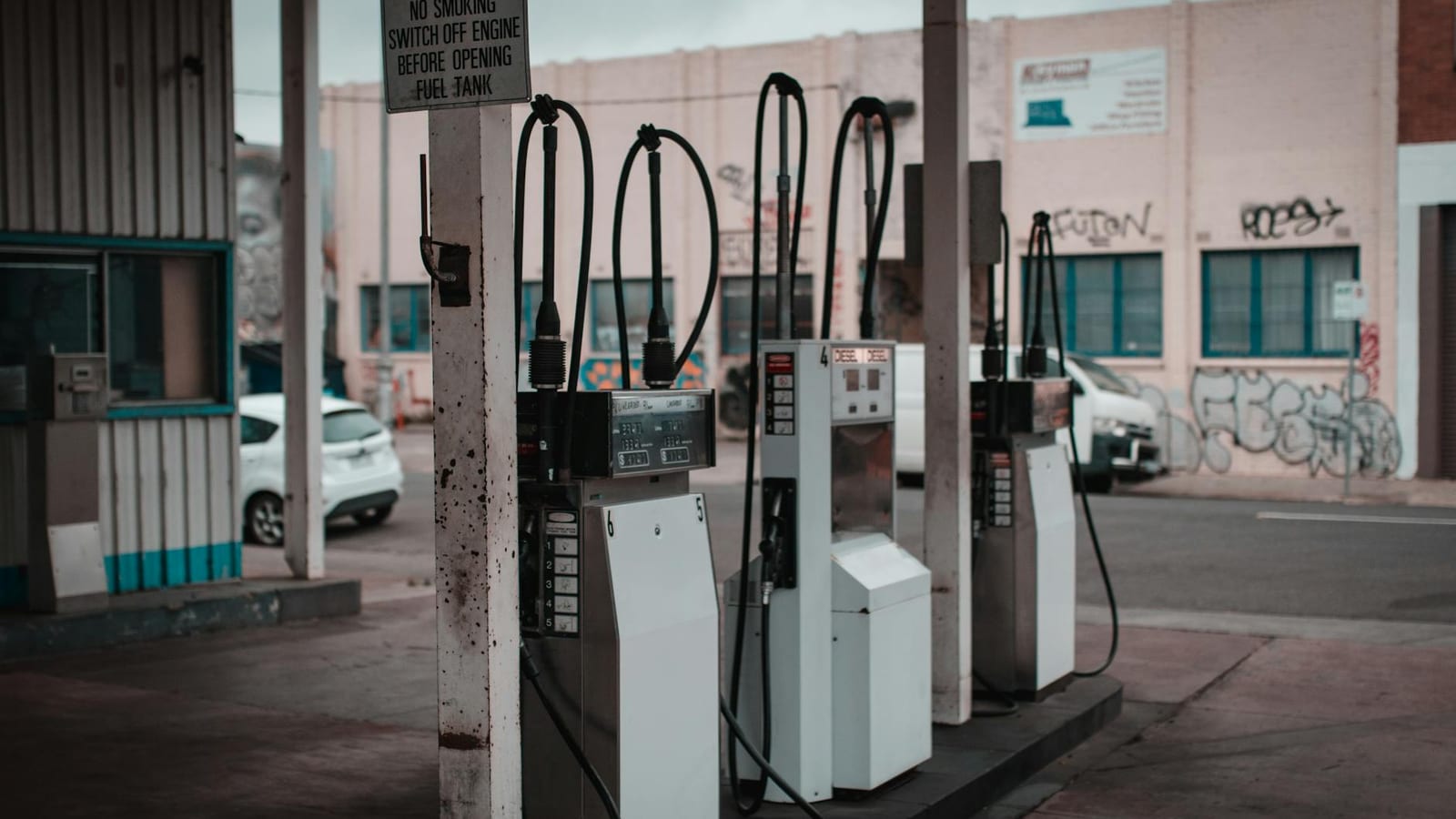
Fuel prices do not rise quietly in India. They enter the kitchen, the school van, the mandi bill, and the monthly budget.
That is why the latest increase in petrol, diesel, and CNG prices has touched a raw nerve. The government has also raised import duty on gold, while asking people to save fuel and avoid buying gold amid global uncertainty.
For a middle-class family, this sounds like the same old lecture. Spend less, absorb more, and somehow manage. But economist Santosh Mehrotra has offered the Modi government a sharper alternative: stop leaning on everyday consumers, and tax extreme wealth more seriously.
Fuel taxes hit ordinary wallets
The government has cited the West Asian crisis and global economic stress for the pressure on prices. Prime Minister Narendra Modi has urged citizens to conserve fuel and avoid unnecessary gold purchases.
That appeal may sound sensible on paper. But for most Indians, fuel is not a luxury item. Petrol takes people to work. Diesel moves vegetables, milk, cement, clothes, medicines, and almost everything else.
When diesel gets costlier, transporters do not absorb the hit for long. They pass it on. The cost then travels through the economy, from wholesale markets to neighbourhood shops.
A kirana store owner in a tier-2 city may not track global oil prices. But he knows when the delivery bill rises. Soon, the customer sees it in atta, pulses, soap, and cooking oil.
CNG hikes hurt another large group. Auto drivers, cab drivers, delivery workers, and small transport operators depend on it daily. Their margins are already thin. A small increase can decide whether the day ends in profit or frustration.
This is why indirect taxes hurt differently. They look neat in government accounts, but they fall heavily on people who cannot avoid them.
Mehrotra’s wealth tax argument
Mehrotra, a former adviser to the United Nations, has urged the government to change its revenue strategy. His central point is simple. Do not raise money mainly from fuel and gold taxes when other options exist.
He argued that higher indirect taxes on petrol, diesel, and gold push inflation higher. They also damage jobs, because businesses face higher costs and consumers cut spending.
In plain English, inflation means your money buys less. A family earning the same salary must now stretch harder for the same basket of goods.
Mehrotra’s proposal targets those with very large assets and high wealth. He said the government should collect more from the extremely rich, instead of loading extra costs on ordinary families.
This is not only a moral argument. It is also an economic one. A low-income household spends most of what it earns. A rich household can absorb more tax without cutting essential consumption.
When fuel prices rise, the poor and middle class reduce spending elsewhere. That can hurt small businesses, local services, and informal jobs. The pain spreads quietly.
A better-designed tax on high wealth could raise resources without making bus fares, delivery charges, and food prices worse. That is the core of Mehrotra’s warning.
Rupee pressure adds to the worry
Mehrotra also warned that the Indian rupee could move towards 100 against the US dollar in the next three months. That is a serious signal.
A weaker rupee makes imports costlier. India imports a large share of its crude oil. So when the rupee falls, the same barrel of oil becomes more expensive in local currency.
That gives the government and oil companies a difficult choice. They can absorb some pressure, or pass it to consumers. In recent days, consumers have felt that pass-through directly.
Gold brings another problem. India has deep cultural and financial ties with gold. Families buy it for weddings, festivals, savings, and security.
Higher import duty makes gold costlier. The government may want to control imports and protect the rupee. But for households planning weddings, the timing can feel punishing.
Gold traders also face uncertainty when duties change sharply. Customers delay purchases. Small jewellers then sit on inventory, while larger players manage the shock better.
This is the uncomfortable part of tax policy. A duty increase may help government math, but it can disturb real businesses and family plans.
Who really pays the bill
The larger debate here is not only about petrol, diesel, or gold. It is about who pays when the economy comes under stress.
Indirect taxes are easy to collect. The government gets money at the point of sale. There is less paperwork and less political confrontation than taxing powerful wealth.
But easy collection does not mean fair collection. A delivery worker and a luxury car owner pay the same tax per litre at the pump. Their ability to bear that tax is not the same.
That is why economists often call indirect taxes regressive. The word sounds technical, but the meaning is straightforward. The burden takes a bigger share from smaller incomes.
India has used fuel taxes as a revenue tool for years. Governments like them because fuel demand does not collapse quickly. People may complain, but they still need to commute and transport goods.
The political problem comes later. Inflation eats patience slowly. It affects school fees, rent negotiations, food bills, and travel decisions. By the time anger becomes visible, the damage has already spread.
Mehrotra’s advice asks the government to look upstream. If the state needs money, it should examine concentrated wealth more closely, not just the pump and the jewellery counter.
That route will not be administratively simple. Wealth taxes require clear rules, careful valuation, and strong enforcement. But the harder path may still be the fairer one.
The policy choice ahead
The Modi government now faces a familiar test. It must manage global oil pressure, a vulnerable rupee, and domestic inflation without squeezing demand too hard.
Fuel conservation is useful. Gold imports do affect the external account. But telling people to consume less cannot become the whole policy answer.
Ordinary households have already become expert budget managers. They switch brands, delay purchases, reduce travel, and postpone repairs. There is only so much fat left to cut.
For businesses, especially small ones, fuel is not a side expense. It affects deliveries, staff movement, input costs, and customer demand. When costs rise together, the weakest firms suffer first.
The next few months will show whether the government treats this as a temporary price problem or a deeper tax design problem. That distinction matters.
If the rupee weakens further and oil stays costly, fuel taxes will become even more sensitive. The government can either keep collecting from consumption, or ask more from those with the deepest pockets.
For ordinary Indians, the issue is painfully practical. They do not need a lecture on global markets. They need a tax system that does not make every trip to the pump feel like a penalty for simply getting through the day.