Dussehra 2024 timings shape rituals and market rush
Dussehra 2024 fell on October 12, with puja and Ravan Dahan timings shaping family rituals, trader demand and local event planning across cities.
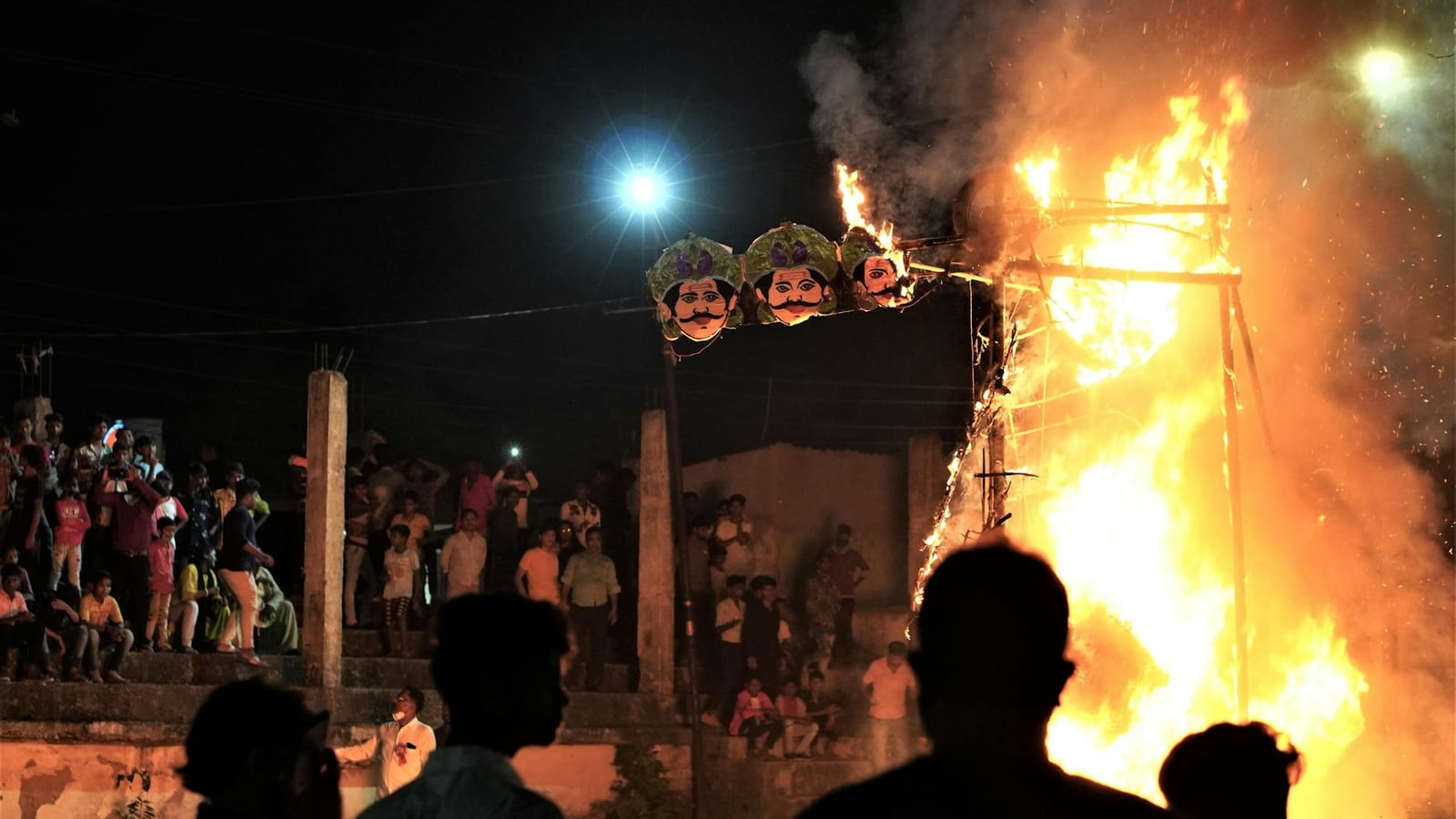
For millions of Indian homes, Dussehra is not just a date on the calendar. It decides when families pray, when markets stay crowded, and when evening grounds fill up for Ravan Dahan.
In 2024, Dussehra fell on Saturday, October 12. That weekend timing gave the festival extra weight for traders, travel operators, sweet shops, and local event organisers.
The day is also known as Vijayadashami. Its central message remains simple: good defeating evil, and courage defeating arrogance.
The main muhurat timings
The Dashami tithi began at 10.58 am on October 12, 2024. It ended at 9.08 am on October 13, 2024.
The Shravan nakshatra began at 5.25 am on October 12. It ended at 4.27 am on October 13.
Drik Panchang listed the Vijay muhurat between 2.02 pm and 2.48 pm. This 46-minute window covered Shastra Puja, Aparajita Puja, and Shami Puja.
The broader afternoon puja period ran from 1.16 pm to 3.35 pm. That gave families and institutions over two hours for rituals.
For Ravan Dahan, the preferred time came in the evening Pradosh period. The window ran from 5.53 pm to 7.27 pm.
Why the rituals matter
Dussehra carries two powerful stories in Indian tradition. One centres on Lord Ram, who defeated Ravan and freed Sita.
The other story honours Maa Durga, who defeated Mahishasur. Both stories speak to the same idea, victory after struggle.
That is why the festival cuts across homes, temples, public grounds, and business districts. It is religious, cultural, and deeply social.
Shastra Puja also has a practical meaning for many Indians. People worship tools, vehicles, machines, books, and instruments of work.
For a mechanic, that tool may be a wrench. For a shopkeeper, it may be the weighing scale. For a student, it may be books.
This is where Dussehra quietly enters the economy. It links faith with work, income, and the hope of a better year.
Markets feel the festival rush
Festival days in India rarely stay inside homes. They spill into markets, transport hubs, sweet shops, garment stores, and jewellery counters.
A kirana store owner in a tier-2 city sees this clearly. So does a flower seller outside a temple.
Demand usually rises for sweets, flowers, puja items, toys, clothes, and local transport. Many small traders depend on these weeks.
Dussehra also sits close to Diwali, which came 20 days later in the traditional telling. That makes it part of India’s biggest festive spending stretch.
Families often start larger purchases around this period. Vehicles, appliances, home repairs, and gifts come into the picture.
For businesses, the timing matters. A weekend festival can lift footfall because salaried workers have more time to shop.
For event organisers, Ravan Dahan is a full operation. It needs permissions, artists, sound systems, lighting, safety checks, and crowd planning.
Behind every evening celebration sits a chain of workers. Bamboo suppliers, electricians, fabricators, food vendors, and cleaners all earn from it.
A simple puja at home
The traditional home puja begins with a clean platform. Families place a red cloth on it.
They then install images or idols of Lord Ram and Maa Durga. Many households also keep weapons, tools, or work instruments nearby.
Rice is coloured yellow with turmeric. Families use it to mark a swastik and invoke Lord Ganesh.
Some homes also perform Navgraha worship. They offer flowers, fruits, sweets, and prayers.
The ritual ends with charity, based on one’s means. Giving to someone in need remains a key part of the day.
This part is worth noticing. Festivals are not only about personal devotion. They also create small acts of redistribution.
A sweet box sent to workers, a meal given to someone poor, or extra wages before the season matters.
These gestures may look small. But in India’s informal economy, small money often carries large meaning.
The bigger signal for families
Dussehra arrives when households start looking ahead. School schedules, travel plans, bonus expectations, and Diwali budgets begin to overlap.
For young professionals, the festival may mean a short trip home. For small businesses, it may mean the first big sales push.
For manufacturers and retailers, this period tests demand. If shoppers open their wallets, confidence travels quickly through supply chains.
If they hold back, businesses feel it just as fast. Unsold stock, delayed orders, and cautious hiring follow.
That is why festivals matter to business journalism too. They reveal what official data often shows much later.
A crowded market does not equal a booming economy. But it does tell us whether households feel ready to spend.
Dussehra 2024 offered families a clear ritual calendar. It also gave businesses a useful festive weekend.
The deeper meaning, though, stayed older than any market cycle. People paused, prayed, worked, bought, gave, and gathered.
That rhythm is India at its most familiar. Faith sets the date, families give it meaning, and the bazaar feels the pulse.