Dussehra 2024 timings set festive buying in motion
Dussehra fell on October 12 in 2024, with key puja muhurats shaping rituals, shopping, travel and the festive season rush.
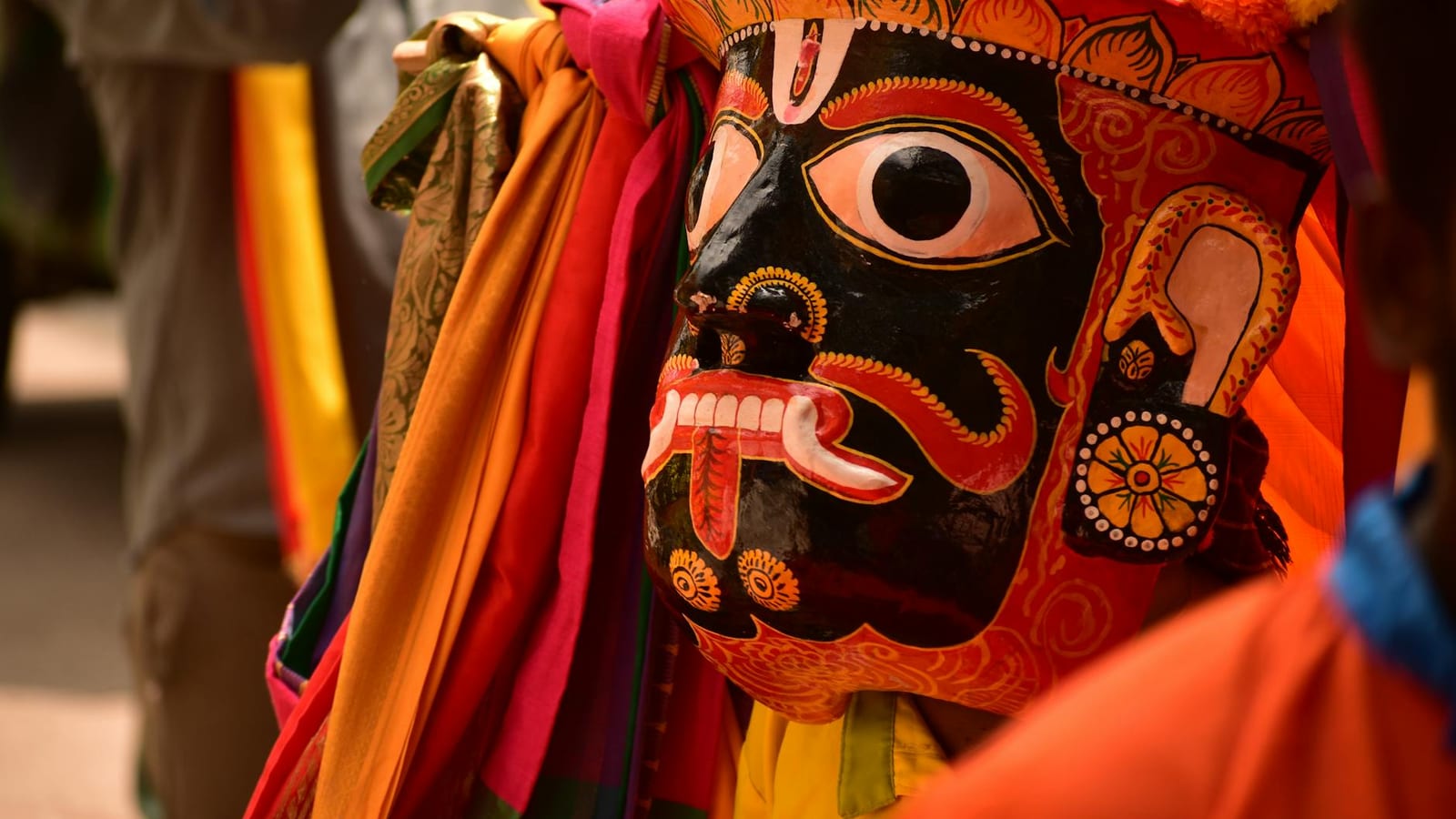
For many Indian households, Dussehra is not just a date on the calendar. It is the day when families check the evening sky, children wait for Ravana effigies to burn, and shopkeepers quietly prepare for the festive rush ahead.
In 2024, Dussehra fell on Saturday, October 12. The festival, also called Vijayadashami, marked the familiar story of good defeating evil, but it also carried a very practical rhythm for markets, workers, and small businesses.
For a trader, this is when the festive season turns serious. For a family, it is when rituals, purchases, travel, sweets, gifts, and repairs all begin to move together.
Dussehra timings for 2024
The Dashami tithi began at 10.58 am on October 12, 2024, and ended at 9.08 am on October 13, 2024. The Shravan nakshatra started at 5.25 am on October 12 and ended at 4.27 am on October 13.
According to Drik Panchang, the Vijay muhurat for Shastra Puja, Aparajita Puja, and Shami Puja ran from 2.02 pm to 2.48 pm. That gave devotees a 46-minute window for these rituals.
The broader afternoon puja period lasted from 1.16 pm to 3.35 pm. Many families prefer this wider window because it is easier to manage around work, travel, and local community schedules.
Ravana Dahan, the burning of Ravana effigies, is considered best during Pradosh Kaal. In 2024, the favourable window was from 5.53 pm to 7.27 pm.
Rituals that shape the day
The festival’s religious meaning rests on two major traditions. One links it to Lord Ram, who defeated Ravana and rescued Sita. The other connects it to Goddess Durga’s victory over Mahishasura.
That is why Dussehra carries both Ramayana and Shakti traditions. In north India, large grounds fill with Ramleela crowds and Ravana effigies. In many other regions, families focus on weapons, tools, vehicles, books, and work instruments.
The basic puja method remains simple. A clean red cloth is placed on a chowki. Idols or images of Lord Ram and Goddess Durga are installed. Rice is coloured yellow with turmeric, and Lord Ganesha is invoked through a swastik.
Devotees then worship the navagrahas, offer flowers, fruits, and sweets, and donate within their means. The donation part matters because festivals in India rarely stay limited to the family altar.
They also touch the wider street economy. Sweet shops, flower sellers, tent workers, carpenters, drivers, lighting crews, and small vendors all depend on these ritual days.
Why markets watch Vijayadashami
Vijayadashami has long carried a business meaning in India. Many families see it as an auspicious day to begin something new. That may mean buying a vehicle, opening a shop account, booking a home appliance, or placing token money for a larger purchase.
This is where faith and commerce meet without much fuss. A scooter dealer may see more footfall. A jewellery shop may prepare for festive buyers. A local printer may get extra orders for banners, invites, and community event material.
The scale changes by city, but the mood is familiar. Once Dussehra arrives, the countdown to Diwali begins. The source tradition places Diwali 20 days after Dussehra, and that gap often becomes the busiest stretch for many retailers.
For large companies, this season can decide quarterly sales. For small businesses, it can decide working capital. In plain English, that means whether they have enough cash to buy stock, pay staff, and keep the shop running.
The festive economy is not one grand switch. It moves through thousands of tiny decisions. A family replaces curtains. A mechanic gets more two-wheeler service work. A garment shop extends hours. A delivery worker handles more parcels.
The small economy behind Ravana Dahan
Ravana Dahan looks like one evening spectacle, but it creates work much earlier. Effigy makers, bamboo suppliers, paper traders, painters, transporters, sound operators, and security workers all enter the chain.
Community organisers also spend on lights, stages, permissions, generators, barricades, and local publicity. None of this always appears in big economic data, but it matters deeply at the neighbourhood level.
For informal workers, festivals often bring short bursts of income. The work may not last long, but it can help with school fees, rent, pending bills, or stock purchases for the next season.
There is another side too. Prices can rise before major festivals. Flowers, sweets, clothes, transport, and event materials can all become costlier. Families with tight budgets then make careful choices.
That is why Dussehra feels different across income groups. One household may book a new car. Another may buy only sweets and flowers. A third may simply attend the local Ravana Dahan and return home with children.
Still, the shared public nature of the festival keeps it powerful. The same evening ground can hold office-goers, vendors, students, daily-wage workers, and retirees. Few Indian occasions bring the local economy and local society together this neatly.
What the festival signals
Dussehra’s central message is simple, victory over wrong. But in modern India, the festival also signals momentum. It tells traders to prepare, families to plan, and cities to brace for traffic, shopping, travel, and gatherings.
For ordinary readers, the important point is not only the muhurat. It is how one festival sets off a chain of decisions. People worship tools because work matters. They buy goods because the season has meaning. They gather because community still counts.
In that sense, Dussehra is both a ritual day and an economic marker. The fire that consumes Ravana in the evening also lights up the busiest weeks for India’s markets, homes, and small businesses.