Dussehra 2024 rituals set to lift festive market activity
Dussehra falls on October 12, with key puja and Ravan dahan timings expected to bring crowds to markets, events and local vendors.
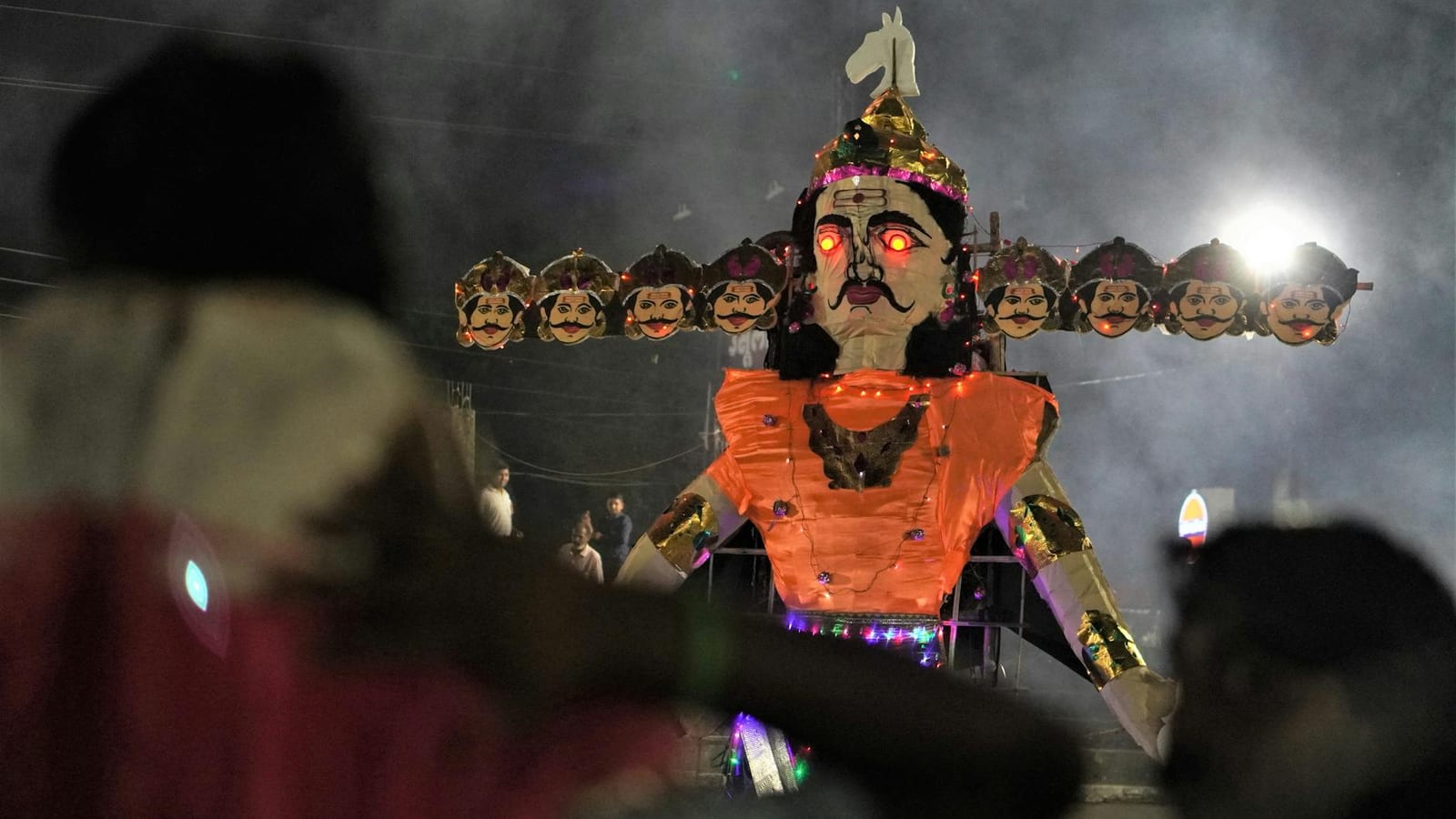
By sunset on October 12, parks and colony grounds will smell of smoke, sweets, and wet earth.
Dussehra in 2024 falls on Saturday, October 12. For families, it is a festival of victory. For shopkeepers, event organisers, sweet sellers, transporters, and local vendors, it is also one of the busiest days before Diwali.
The day marks the victory of good over evil. Hindu tradition links it to Lord Ram defeating Ravan and rescuing Sita. Many also observe it as the day Goddess Durga defeated Mahishasura.
The muhurat families will watch
The Dashami tithi begins at 10.58 am on October 12, 2024. It ends at 9.08 am on October 13, 2024.
Shravan nakshatra begins earlier, at 5.25 am on October 12. It continues till 4.27 am on October 13.
Drik Panchang lists the Vijay muhurat from 2.02 pm to 2.48 pm. This 46-minute window is considered suitable for Shastra puja, Aparajita puja, and Shami puja.
The broader afternoon puja period runs from 1.16 pm to 3.35 pm. That gives families about two hours and 19 minutes for worship and rituals.
For Ravan dahan, the preferred time falls in the evening. The auspicious window runs from 5.53 pm to 7.27 pm.
That timing matters beyond faith. Local committees plan crowd control, lighting, sound systems, and traffic movement around it. Small vendors also time their peak sales to these evening gatherings.
Why these rituals still matter
Vijayadashami is not only about watching a giant effigy burn. It is also about marking a fresh start.
Many families clean tools, books, vehicles, and business equipment on this day. Traders often treat it as a lucky time to begin new accounts or make a purchase.
Shastra puja, in its older form, meant worship of weapons. In modern homes and workplaces, the meaning has widened. People now offer prayers for tools of livelihood.
For a mechanic, that may be a spanner. For a driver, it may be a vehicle. For a small business owner, it may be the shop counter or billing machine.
That is where the festival quietly touches the economy. Faith becomes footfall. Footfall becomes sales. Sales become wages for workers who depend on festive demand.
Aparajita puja carries the idea of strength and victory. Shami puja links to prosperity and auspicious beginnings. These rituals vary by region, but the emotional thread stays similar.
People pray for protection, progress, and fewer obstacles. That sounds simple, but it explains why the day still holds power across towns and cities.
The home puja, kept simple
The usual Dussehra puja begins with a clean wooden platform or chowki. Families place a red cloth on it.
They then install images or idols of Lord Ram and Goddess Durga. Some households also include other deities, depending on family tradition.
Rice is coloured yellow with turmeric. It is then used while invoking Lord Ganesh, often through a swastik symbol.
Navgraha worship may follow. The nine planetary forces hold a place in many Hindu rituals, especially on auspicious days.
Devotees offer flowers, fruits, sweets, and other food items. Many families also light lamps and recite prayers.
The ritual often ends with charity. People give food, clothes, money, or other help to someone in need, based on their means.
That final act is easy to overlook. Yet it keeps the festival grounded. Victory over evil is not only a story from scripture. It is also a reminder to act with generosity.
The business of festive faith
For Indian markets, Dussehra is part of a larger festive climb. It arrives just before Diwali, which comes 20 days later.
This period drives demand across several categories. Sweets, garments, jewellery, vehicles, electronics, home decor, and gifts all see higher interest.
The source material does not give sales figures. Still, any kirana owner or garment trader knows this season has a different rhythm.
Customers who delay purchases during the monsoon often return now. Families buy for weddings, pujas, school events, office gifting, and home repairs.
Even temporary workers benefit from this demand. Tent houses, sound technicians, electricians, decorators, drivers, and street vendors find more work.
At the same time, costs rise. Local organisers must pay for permissions, security, bamboo frames, fabric, lights, and artists who build effigies.
Sweet shops need extra staff and raw material. Transporters face tighter schedules. Police and municipal workers handle heavier pressure on the ground.
That is the part festive coverage often misses. A one-evening celebration rests on several days of work by people who rarely appear on stage.
The burning of Ravan may last minutes. The economy around it starts much earlier.
Faith, crowds, and caution
Dussehra evenings bring large crowds, especially for Ravan dahan. Families arrive with children, vendors line the approach roads, and traffic slows near open grounds.
That makes planning essential. Organisers need safe exits, stable structures, fire control, and clear crowd movement.
For ordinary families, the practical advice is simple. Arrive early, keep children close, and avoid standing too near the effigy.
Those who prefer home rituals can follow the afternoon puja timings. Those attending public events can use the evening muhurat for Ravan dahan.
The festival’s meaning remains larger than the timetable. It asks people to name the Ravans they fight in daily life.
For some, that may mean debt. For others, it may mean illness, job stress, family conflict, or fear about the future.
That is why Dussehra keeps returning with such force. It gives people a public language for private battles.
This year’s Dussehra is also a reminder of how India’s calendar blends devotion and commerce. A ritual at home, a crowd at the maidan, and a sale at the corner shop all sit inside the same story. For ordinary readers, the real message is clear. Festivals move markets, but they also move people.