Dussehra 2024 Ravana Dahan window set for evening
Dussehra 2024 fell on October 12, with Ravana Dahan between 5:53 pm and 7:27 pm and key puja muhurats shaping festive plans.
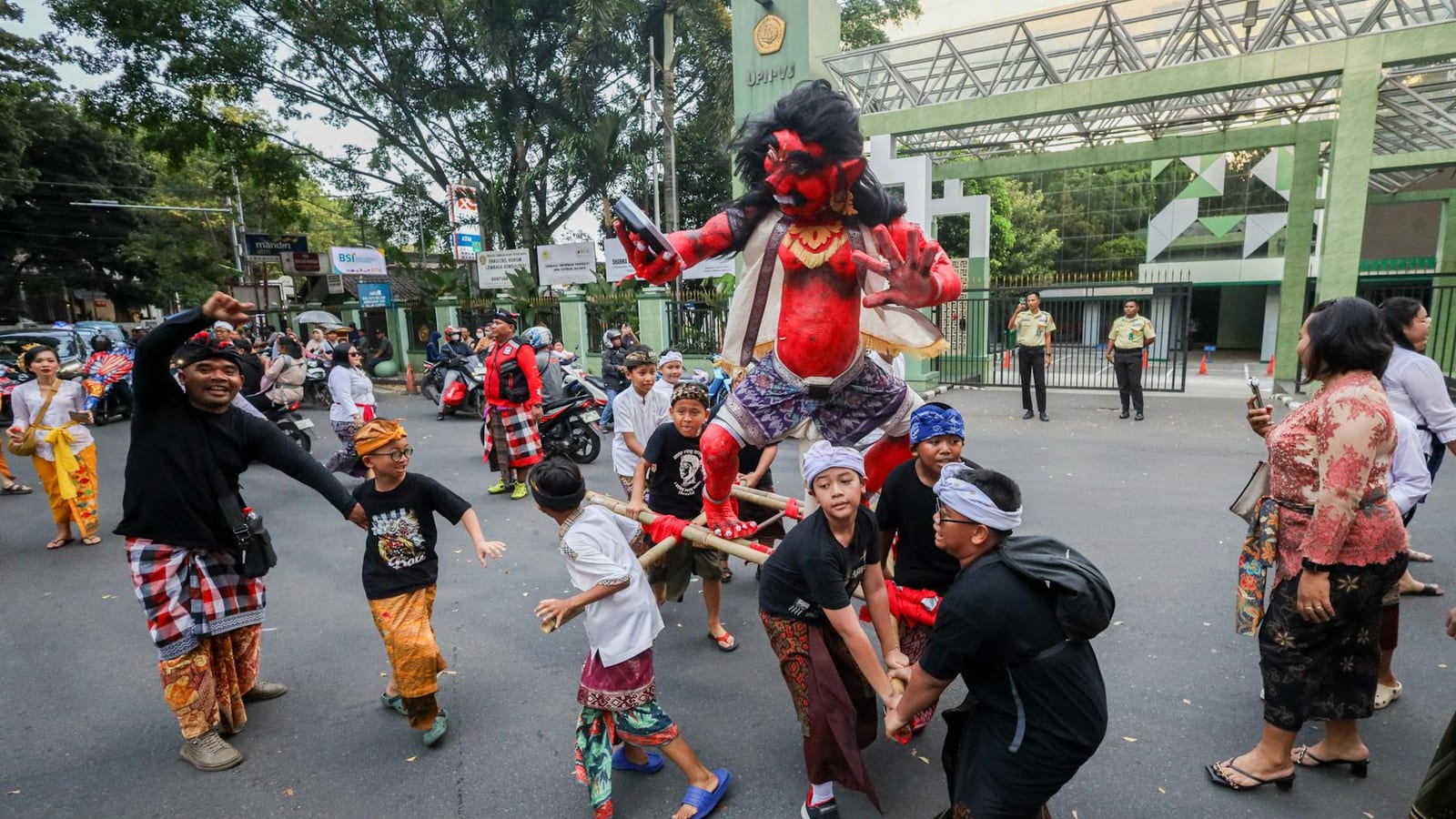
For many families, the real festival clock starts with one question: when should the Ravana effigy burn?
Dussehra fell on Saturday, October 12, 2024, with the evening window for Ravana Dahan set between 5:53 pm and 7:27 pm. Across cities and small towns, that meant committees had a narrow band to manage crowds, traffic, fireworks, and the final act of a nine-day festive build-up.
The day is also known as Vijayadashami. For households, it is prayer and memory. For markets, it is footfall, gifting, sweets, flowers, clothes, transport, security, and local spending in one compressed evening.
The festival clock for 2024
The Dashami tithi began at 10:58 am on October 12, 2024. It ended at 9:08 am on October 13, 2024.
The Shravan nakshatra began earlier, at 5:25 am on October 12. It continued until 4:27 am on October 13.
For many devotees, these timings matter because rituals follow the Hindu calendar, not the wall calendar alone. A date may look simple on paper, but the tithi decides the religious window.
The Vijay muhurat for Shastra Puja, Aparajita Puja, and Shami Puja ran from 2:02 pm to 2:48 pm. That gave devotees 46 minutes for the most preferred period.
The broader afternoon puja window ran from 1:16 pm to 3:35 pm. This gave families and community organisers a little more breathing space.
Why Ravana Dahan matters
Ravana Dahan is usually performed during pradosh kaal, the evening period after sunset. In 2024, the preferred time ran from 5:53 pm to 7:27 pm.
That is why Dussehra grounds fill up just before dusk. Families arrive early, children wait for the fireworks, and vendors do brisk business outside the venue.
The story remains familiar across generations. Lord Ram defeats Ravana and rescues Sita. The public burning of Ravana’s effigy turns that story into a shared civic spectacle.
But the event is not only religious. It is also a local economy in motion.
Temporary workers build the effigies. Small sellers move balloons, snacks, toys, and festive items. Sweet shops prepare for the evening rush. Police, municipal workers, and volunteers manage the crowd.
For a kirana store owner or a flower seller, such festival days can make a visible difference. One good evening can clear slow-moving stock and bring cash into the till.
Puja rituals at home
The traditional puja begins by placing a clean red cloth on a small platform. Devotees then install images or idols of Lord Ram and Goddess Durga.
Rice is coloured yellow with turmeric and used in the ritual. A swastik is made, and Lord Ganesh is invoked first.
Many families also worship the Navgraha, or nine planetary deities. Fruits, flowers, sweets, and other offerings are placed before the deities.
The ritual also includes charity. Devotees are advised to donate according to their capacity to someone in need.
That last part often gets less attention than the fireworks. Yet it is central to the idea of the day. Victory over evil is not only a mythic theme. It also asks people to act with some generosity.
Shastra Puja, or the worship of tools and weapons, carries its own practical meaning. In modern homes, it often extends beyond weapons.
People worship books, vehicles, machines, account books, shop equipment, and work tools. A mechanic may clean his instruments. A shopkeeper may honour the cash counter. A student may keep books before the deity.
That is where the festival quietly meets business and work. The tools of livelihood become part of worship.
The older stories behind Vijayadashami
Dussehra rests on two major traditions. The first links it to Lord Ram’s victory over Ravana on the tenth day of Ashwin Shukla Paksha.
The second links it to Goddess Durga’s victory over Mahishasura. This is why the day also closes the Durga Puja period in many regions.
Both stories carry the same moral centre. Good defeats evil after struggle, courage, and discipline.
That message travels well because every generation finds its own Ravana. For one household, it may be debt. For another, illness. For a small business, it may be weak demand or rising costs.
Festivals give people a language for hope without pretending life is easy. That is why they survive beyond ritual.
There is another calendar link that matters deeply to Indian homes and markets. Diwali comes about 20 days after Dussehra.
This gap is crucial. Dussehra often marks the point when festive buying gathers speed. Clothes, appliances, two-wheelers, gold, gifts, sweets, and home repairs all enter the family budget conversation.
Retailers know this rhythm well. Dussehra evening is not just an end to Navratri. It is also the opening bell for the biggest consumption season of the year.
The business behind belief
The festival economy in India does not move through one large company alone. It moves through thousands of small hands.
The effigy maker, the sound system vendor, the tent supplier, the flower seller, the sweet shop, the local transport operator, and the food stall all participate.
A large Dussehra ground can create a full temporary marketplace. Even a modest neighbourhood event can support several small earners for a few days.
This is why festival dates matter to business owners. A clear muhurat helps organisers plan better. It helps police prepare. It helps vendors decide when to arrive and how much stock to carry.
There is also a consumer psychology at work. Dussehra is widely seen as an auspicious day to begin something new.
Families buy vehicles, sign documents, start renovations, open account books, or make important purchases. Businesses often time launches and offers around the festival season.
This does not mean every purchase is religious. Many buyers simply feel better making decisions on a day associated with victory and renewal.
For companies, that sentiment matters. For small businesses, it matters even more. A festival crowd brings both emotion and spending power.
Still, the quieter warning is simple. Festivals can tempt families into stretching budgets. Easy credit, festive discounts, and social pressure can push people into purchases they may later regret.
That is the other side of the season. Celebration should not become a debt trap. The smartest festive spending is still the kind that leaves the household calm after the lights go out.
Dussehra 2024, with its tight evening muhurat and busy ritual calendar, reminded India of an old truth. Faith, family, and commerce often sit at the same table here. The Ravana effigy burns for a few minutes, but the choices made around it shape homes, shops, and local markets for weeks after.