Dussehra 2024 puja timings and Ravana Dahan muhurat
Dussehra 2024 fell on October 12, with Vijay muhurat from 2.02 pm to 2.48 pm and Ravana Dahan preferred during pradosh kaal.
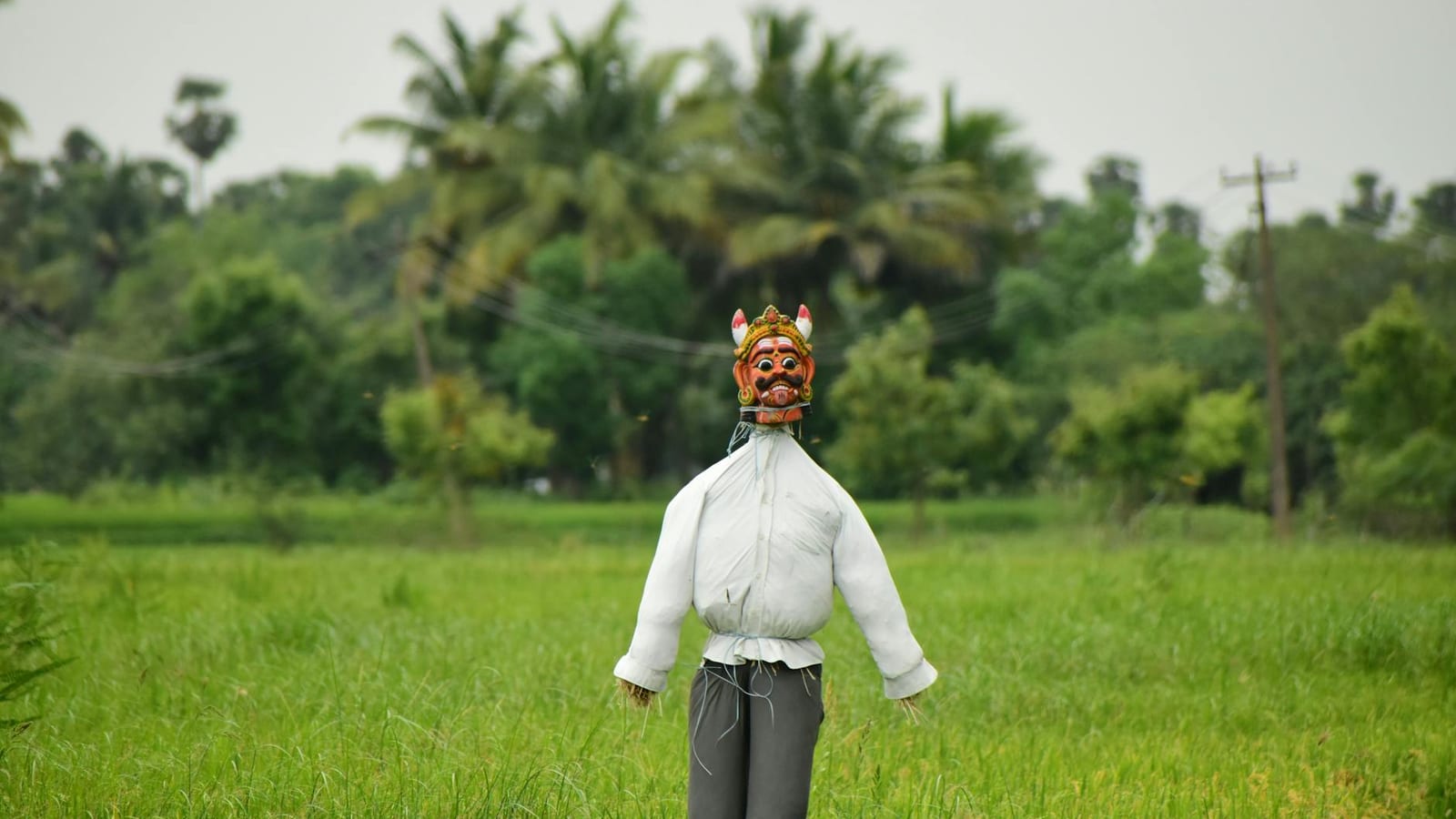
For many Indian families, Dussehra is not just a festival evening. It is the day cupboards open, tools come out, markets glow, and children wait for Ravana to burn.
In 2024, Dussehra fell on Saturday, October 12. The festival, also called Vijayadashami, marked the old Indian idea that good must finally face evil, not merely avoid it.
That belief shows up in temples, homes, workshops, shop floors, and crowded maidans. One family may pray before books and tools. A small trader may clean the cash counter. A mechanic may garland his machines before opening the shutters.
Dussehra timings for 2024
The Dashami tithi began at 10.58 am on October 12, 2024. It ended at 9.08 am on October 13, 2024.
The Shravan nakshatra began earlier, at 5.25 am on October 12. It continued until 4.27 am on October 13.
According to Drik Panchang, the Vijay muhurat for Shastra Puja, Aparajita Puja, and Shami Puja lasted 46 minutes. It ran from 2.02 pm to 2.48 pm.
The broader afternoon puja window was longer. It began at 1.16 pm and ended at 3.35 pm.
For Ravana Dahan, the preferred period was during pradosh kaal. In 2024, that window ran from 5.53 pm to 7.27 pm.
These timings matter because Indian festivals often run on both faith and planning. Families arrange priests, community groups book grounds, and markets time their rush around these windows.
Why Ravana Dahan still draws crowds
The most public face of Dussehra remains Ravana Dahan. Across towns and cities, people gather to watch large effigies of Ravana, Meghnad, and Kumbhkaran burn.
The story goes back to Lord Ram, who is believed to have defeated Ravana on this day. The festival also sits close to Diwali, which comes 20 days later.
That gap has its own emotional rhythm. Dussehra marks victory after struggle. Diwali then celebrates the return home.
For children, the evening is often about fireworks and spectacle. For parents and grandparents, it carries memory. Many have watched the same ritual since childhood, first holding someone’s hand, later holding another child’s hand.
There is also a public message in the burning of Ravana. Every year, organisers speak of defeating arrogance, greed, anger, or injustice. The symbolism changes with the times, but the structure remains familiar.
That is why Dussehra keeps finding space in modern India. It does not ask people to choose between belief and public celebration. It gives both a common stage.
Puja rituals inside homes and shops
Dussehra is also a quieter household festival. The puja begins by placing a clean red cloth on a chowki or raised platform.
Families then place idols or images of Lord Ram and Maa Durga. Rice is coloured yellow with turmeric and arranged for the ritual.
Many households also invoke Lord Ganesh first, as is common in Hindu worship. Some also place symbols for the nine planets.
Offerings usually include flowers, fruits, sweets, and incense. The ritual ends with prayer and, where possible, charity.
The charity part matters. Festivals in India have always carried a social line beneath the religious one. Giving food, money, clothes, or essentials keeps that line alive.
In homes, the ritual may look simple. In businesses, it can become part of the year’s working calendar.
A trader may perform puja before account books. A factory owner may worship tools and machines. A driver may garland a vehicle. A craftsperson may place instruments before the deity.
This is where Dussehra becomes more than mythology. It becomes a way to honour work.
The business behind the festival
Dussehra quietly moves a lot of small commerce. Florists, sweet shops, idol sellers, cloth merchants, decorators, carpenters, electricians, and event workers all see demand.
The festival also helps informal workers. Effigy makers get seasonal orders. Firework sellers prepare for the evening crowd. Local food stalls earn from families who step out after puja.
A kirana store owner in a tier-2 city may see extra sales of incense, camphor, turmeric, rice, and sweets. A small tailor may get last-minute blouse or kurta work before the festive stretch.
For many such businesses, Dussehra also opens the Diwali season. Once Ravana burns, the market mood shifts quickly. Paint shops, gift sellers, jewellery stores, and appliance dealers begin the next sprint.
This is why festival calendars matter to business India. They shape demand without any corporate announcement. A good festive season can repair weak months for small traders.
Large companies track the same mood in their own way. Auto showrooms, electronics chains, e-commerce platforms, and lenders all know that many buyers wait for auspicious days.
But the sharpest impact still sits close to the street. The flower vendor who sells extra marigold garlands feels it first. So does the sweet shop that starts frying before sunrise.
Dussehra also reminds us that Indian consumption is rarely only about price. Timing, sentiment, family approval, and ritual all shape buying decisions.
Two stories, one festival
Dussehra carries two major religious stories. One follows Lord Ram’s victory over Ravana. The other recalls Maa Durga’s victory over Mahishasura.
Both stories share the same moral arc. Power without dharma eventually collapses. Courage and discipline matter more than noise.
That message may sound old, but it travels easily. Families use it to teach children. Communities use it to gather people. Businesses use it to mark fresh starts.
There is a reason tools and weapons are worshipped on this day. In older times, warriors honoured arms. Today, people extend that idea to laptops, vehicles, machines, registers, and factory equipment.
The object changes. The feeling does not. Work deserves respect, and skill needs humility.
That is perhaps Dussehra’s strongest modern lesson. It lets India pause before the busiest shopping season and ask a basic question. What are we building, and with what spirit?
For ordinary readers, the festival’s meaning lies in that mix of faith, family, work, and renewal. The dates and muhurats guide the rituals. But the larger point is simpler. Every year, Dussehra asks people to clean the tools, face the difficult thing, and begin again with steadier hands.