Dholera ITI opens chip plant welding course with Tata
Dholera ITI has launched a short UHP welding course with Tata and Gujarat support to prepare local workers for semiconductor fabs and cleanrooms.
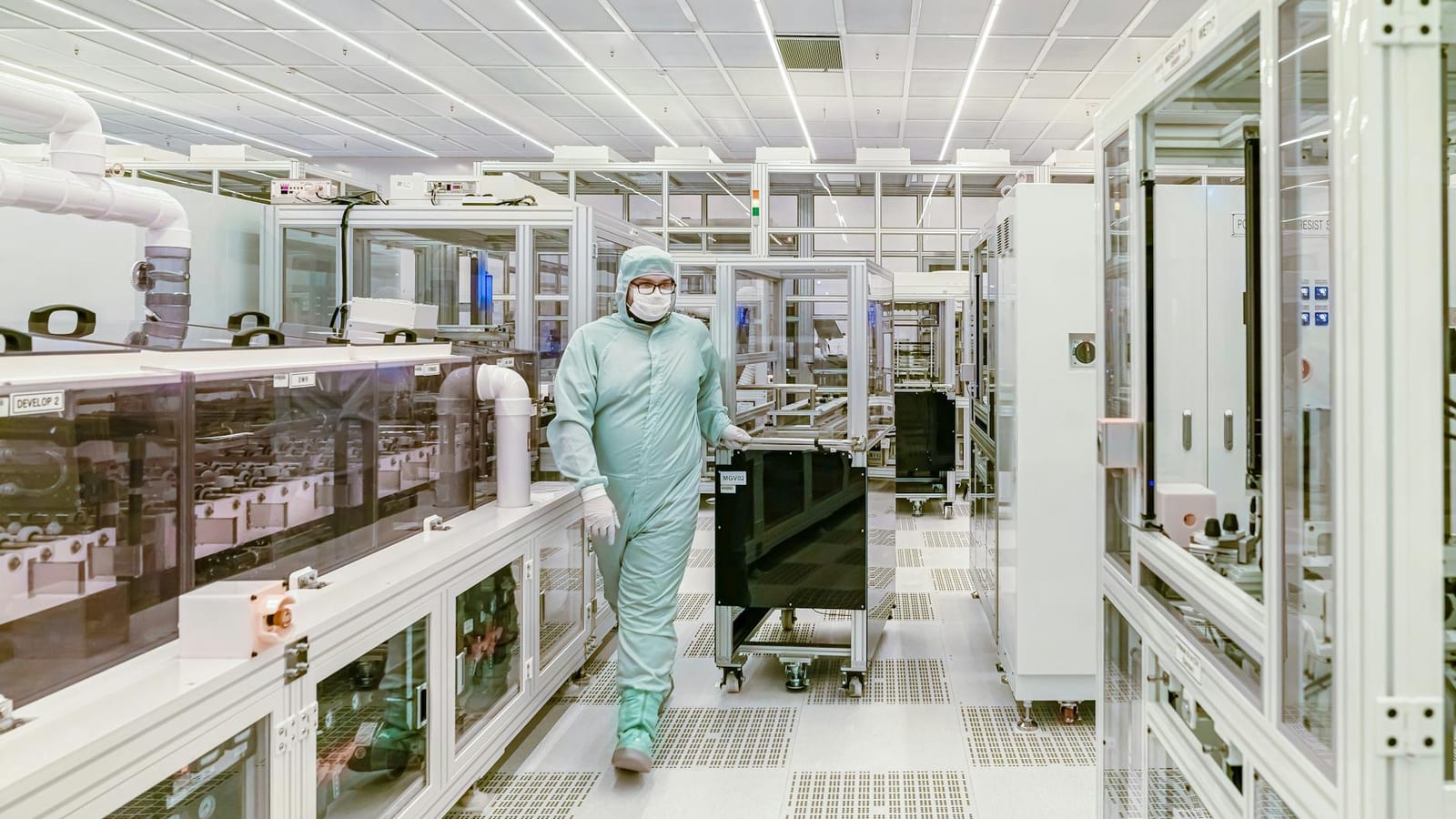
A young ITI student in Dholera now has a route into one of India’s most demanding factories. Not through a fancy engineering degree, but through welding pipes clean enough for a chip plant.
That may sound like a small training update from Gujarat. It is not. If India wants to make semiconductors at scale, it needs people who can handle machines, materials, gases, cleanrooms, and tiny errors that cost big money.
The latest push in Dholera shows that Gujarat has understood one basic truth. Chip factories do not run on investment announcements alone. They run on trained hands.
Dholera trains chip workers locally
The Industrial Training Institute at Dholera has started a short, specialised programme for semiconductor work. The course runs for about one and a half months.
It is being conducted by Tata Indian Institute of Skills with support from the Government of Gujarat and Tata Electronics Private Limited.
The programme focuses on Ultra High Purity welding, often called UHP welding. Put simply, this is not regular welding at a workshop.
In chip plants, gases and liquids move through extremely clean pipes. Even a tiny impurity can disturb production. UHP welding trains workers to join such pipes without leaving contamination behind.
That sounds technical, but the idea is simple. A semiconductor factory is like a hospital operating room, only stricter. Dust, moisture, and careless handling can ruin the final product.
For students from ITIs, this opens a different path. They need not wait for a long engineering degree to enter advanced manufacturing. A short course can give them an industry-ready skill.
The programme also offers a stipend and full scholarship support. That matters because many ITI students come from families where even travel and food costs can decide whether a student continues training.
Why this skill matters now
India has talked about semiconductor self-reliance for years. The difference now is that factories are actually being planned and built.
Tata Electronics is developing a major semiconductor fabrication facility in Dholera. A fab is a factory where chips are made on thin discs called wafers.
These fabs need engineers, yes. But they also need trained technicians, welders, maintenance staff, cleanroom operators, and safety workers.
That is where India’s real test begins. Money can build the plant. Imported machines can fill it. But daily operations need a steady supply of skilled workers close to the site.
If Gujarat trains workers in Dholera itself, companies save time. Students also avoid moving blindly to faraway cities without knowing whether jobs will follow.
This is especially useful for families in smaller towns. A parent may hesitate to send a son or daughter to another state for uncertain training. A local ITI programme feels less risky.
For small businesses too, this can slowly change the local economy. Hostels, transport providers, food stalls, tool suppliers, and repair shops often grow around industrial clusters.
Semiconductors are not just about shiny factories. They create a chain of smaller services. That chain can matter deeply for local employment.
The hidden side of chipmaking
Most public discussion on semiconductors stays stuck at big numbers. People hear about investment, subsidies, and global supply chains. The worker story gets less attention.
But a chip plant is unforgiving. A badly trained worker can cause delays. A small mistake can waste expensive material. A safety lapse can stop production.
That is why cleanroom training at the ITI level is important. It brings discipline early. Students learn that advanced manufacturing is not jugaad with better machines.
They must follow process. They must repeat tasks with care. They must understand why cleanliness and precision are part of the job, not extra rules.
This is a cultural shift for vocational education. Many ITIs in India have struggled with old equipment and outdated courses. Industry often complains that students need retraining after hiring.
A programme tied directly to semiconductor needs can reduce that gap. It tells students exactly what the factory expects before they enter the gate.
It also gives employers a clearer hiring pool. Instead of searching widely for workers with half-matching skills, companies can recruit from a course built for their operations.
That does not solve every problem. India still needs deeper training in electronics, materials science, equipment maintenance, and process control. But this is a practical start.
Gujarat’s bigger industrial bet
Gujarat has spent years selling itself as an industrial state. Chemicals, ports, automobiles, textiles, and pharmaceuticals already form a large base.
The semiconductor push adds a new layer. It moves the state toward high-value manufacturing, where quality matters as much as scale.
Dholera and Sanand have become central to this plan. Sanand already has electronics and manufacturing activity. Dholera is being shaped as a new industrial hub.
For the state, this is more than one factory. It is about building an ecosystem. That means land, power, water, roads, housing, training, and supplier networks must move together.
The training programme fits into that larger picture. It says the state does not want to wait until companies complain about worker shortages.
Still, the challenge remains large. Semiconductor plants need reliable utilities. They need strict timelines. They need global customers to trust Indian output.
They also need workers to see a future in these jobs. A short course is useful only if it connects to stable work, decent pay, and career growth.
That is the question students will ask. Will this training lead to actual hiring? Will wages justify the discipline and pressure of cleanroom work? Will small-town students get fair access?
What students should watch
For interested applicants, the attraction is clear. A fully supported short course lowers the cost of entry.
But students should look closely at the details. They should check eligibility, batch size, training hours, certification, placement support, and whether the course connects to specific employers.
Parents should ask practical questions too. Where will students stay? What safety training will they receive? Will the stipend cover daily costs? What happens after the course ends?
These questions are not cynical. They are necessary. India has seen many skilling schemes that looked strong on paper but struggled with job outcomes.
This one has a better chance because it links to a real industry need. The closer training stays to actual factory work, the more useful it becomes.
For ITI students, the message is encouraging. Advanced manufacturing is no longer only for elite campuses. Some of the most important factory roles may come through focused vocational training.
That could reshape how families view technical education. A skilled welder in a semiconductor plant may soon carry more value than a generic degree with no job path.
Dholera’s semiconductor dream will finally be judged inside factory floors, not at press events. If these students move from classrooms to stable jobs, Gujarat will have done something important. It will have shown that India’s chip ambition can include ordinary young workers, not just big companies and bigger announcements.