Dholera ITI course to train youth for chip plant jobs
A 45-day scholarship-backed ITI programme in Dholera will prepare Gujarat students for semiconductor plant roles with stipend support closer to home.
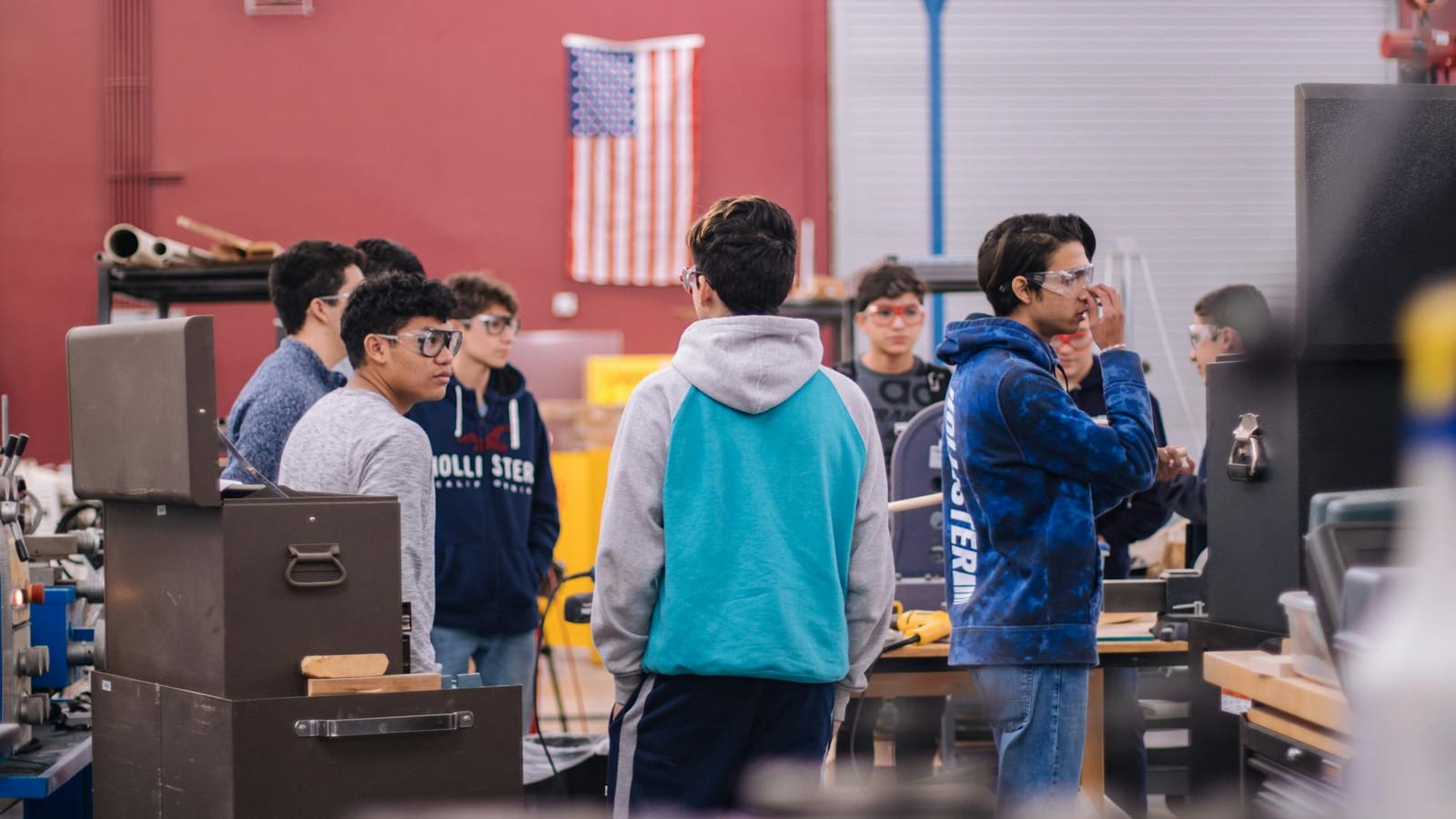
For a young ITI student in Gujarat, the road to a semiconductor job may soon start much closer home.
A special one-and-a-half-month training programme is being planned in Dholera, where India’s chip ambitions are slowly moving from policy speeches to factory floors. The programme, linked to Tata Indian Institute of Skills, will offer a full scholarship and a stipend.
That matters because semiconductor plants do not run only on billion-dollar machines. They need trained hands, alert eyes, and workers who understand precision.
Dholera prepares for chip jobs
Dholera has become one of Gujarat’s most closely watched industrial bets. For years, it sounded like a future city on paper. Now, with semiconductor projects entering the picture, that future needs workers.
The new training plan aims to create skilled workers locally for the semiconductor industry. The course will run through an ITI, which is often the first serious career bridge for students from working and lower-middle-class homes.
This is not a long degree. It is a short, focused programme of about 45 days. That tells us something important. Companies need people quickly, and they need them trained for specific shop-floor roles.
A stipend also changes the equation. For many students, training has a hidden cost. Travel, food, and lost daily wages can stop them from enrolling. A 100 percent scholarship and stipend make the course more realistic.
Why short training matters
The semiconductor industry sounds glamorous from the outside. People imagine clean rooms, global companies, and cutting-edge machines. But inside the plant, discipline matters as much as engineering.
Workers must follow exact processes. They must handle equipment carefully. They must understand safety rules. One small mistake can waste material, delay production, or damage expensive systems.
That is why short skill programmes can play a useful role. They do not turn a student into a chip designer. They prepare workers for the practical demands of a factory.
This distinction matters. India often talks about high-end technology as if every job needs an IIT degree. It does not. A semiconductor ecosystem also needs technicians, maintenance staff, machine operators, logistics teams, and quality-control workers.
If Gujarat trains these workers locally, it can reduce one common problem in Indian manufacturing. Factories often arrive before the local workforce is ready. Then companies import talent from elsewhere, while nearby youth watch from outside the gate.
Gujarat’s manufacturing test
Gujarat has long sold itself as an industry-friendly state. Chemicals, textiles, ports, diamonds, and automobiles shaped that image. Semiconductors are a different test.
This sector demands patience. It needs reliable power, clean water, steady logistics, trained workers, and strong supplier networks. A single factory can attract smaller vendors, but only if the basics work daily.
For Dholera, skill training is one piece of that puzzle. Land and announcements may grab headlines. Training rooms decide whether local youth get a serious chance.
The state also faces a familiar challenge. Skill programmes in India often look good on paper but fail in placement. Students complete courses, collect certificates, and then find jobs paying too little or asking for unrelated experience.
That is where Tata IIS will need to show clear outcomes. How many students will train? What roles will they qualify for? Which companies will hire them? What wages can they expect? These questions matter more than glossy language.
A short course works only when it connects directly to real jobs. Otherwise, it becomes another certificate in a folder.
Students need clear pathways
For an ITI student, the promise of a semiconductor job is powerful. It signals a step beyond old factory work. It carries the hope of cleaner workplaces, better training, and more stable careers.
But families will ask practical questions. Can my child apply? Will the course guarantee a job interview? Will the stipend cover basic costs? Is there hostel support? Will women students get safe transport and facilities?
The available information says the programme will include a full scholarship and stipend. It does not clearly spell out every eligibility detail. That gap should close quickly, because uncertainty favours students with better networks.
A smart skilling plan must reach beyond urban students. Rural and small-town candidates need simple application systems. They need instructions in local languages. They also need counselling that explains what semiconductor work actually involves.
The industry should avoid selling dreams without explaining the grind. Clean-room work can be repetitive. Rules are strict. Shifts may be demanding. Workers need comfort with machines, discipline, and attention to detail.
Still, the opportunity is real. If done well, this can give young people a path into a modern supply chain. It can also help small businesses around Dholera, from transport operators to food vendors and rental housing owners.
A semiconductor plant does not lift only one company. It changes the economy around it, slowly and unevenly.
The big lesson is simple. India’s chip story will not be built only in boardrooms. It will be built by students who learn new skills, trainers who teach properly, and factories that offer fair entry-level jobs. Dholera now has a chance to prove that high technology can create local opportunity, not just impressive announcements.