Bhopal land deal under lens after bypass project approval
Land bought by IAS and IPS officers near Bhopal rose sharply in value after a bypass project approval and land-use change.
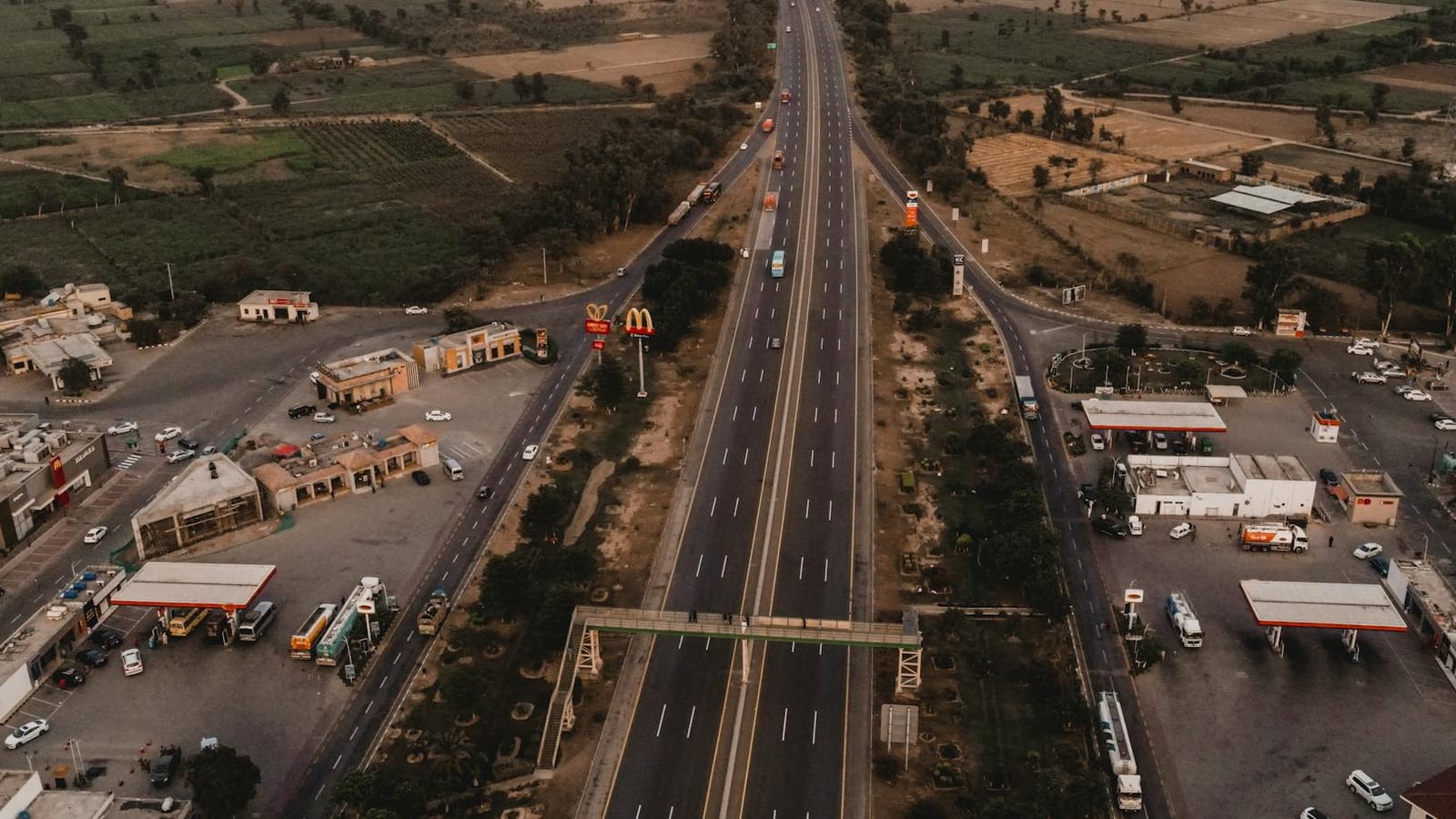
A five-acre patch near Bhopal has turned into a very uncomfortable question about power, timing, and land.
Property disclosures show that 50 IAS and IPS officers jointly bought farm land at Guradi Ghat in April 2022. Sixteen months later, the Madhya Pradesh cabinet cleared a ₹3,200 crore Western Bypass nearby. Soon after, the land use changed from agricultural to residential.
That is when the numbers started speaking loudly. A plot bought at about ₹81.75 per square foot in 2022 was later valued at ₹557 per square foot. Current local estimates place it between ₹2,500 and ₹3,000 per square foot.
Land deal near Bhopal
The land in question sits in Guradi Ghat, in the Kolar area near Bhopal. On April 4, 2022, 2.023 hectares of agricultural land was registered through one document.
The registration value stood at ₹5.5 crore. The market value shown in the papers was ₹7.78 crore. On paper, 50 people bought the land jointly.
But the document trail points to 41 actual buyers behind those 50 plot entries. The list includes officers from the IAS and IPS, not just from Madhya Pradesh, but also from Telangana, Haryana, and Delhi.
For ordinary buyers, such timing would look like luck. For senior officials, it raises a tougher question. Did they merely invest well, or did they know more than others?
Bypass approval changed everything
On August 31, 2023, the state cabinet approved the ₹3,200 crore Western Bypass project. The proposed road lies roughly 500 metres from the land.
Anyone who has watched Indian real estate knows what a new road can do. A bypass does not just move traffic. It moves land prices, builder interest, and future housing demand.
For a farmer, that can mean a once-in-a-generation jump in value. For a city buyer, it can mean higher flat prices later. For insiders, it can become a quiet wealth machine.
Ten months after the bypass approval, in June 2024, the land use was changed. What was earlier farm land became land marked for residential use.
That one change matters. Agricultural land has limited commercial value. Residential land can host plots, homes, and future real estate projects. The same soil suddenly carries a very different price tag.
Prices jumped eleven times
The rise in value has been sharp. In 2022, the land rate was about ₹81.75 per square foot. By June 2024, it had climbed to ₹557 per square foot.
That means a property once bought for around ₹5 crore moved to a value of about ₹12.13 crore. Current local rates suggest the land may now be worth between ₹55 crore and ₹65 crore.
This is why the case has caught attention beyond property circles. A gain of this size rarely happens in silence. It usually follows infrastructure, permissions, or both.
There is no registered housing society for the land yet. Before a residential project can take shape, the land may need transfer to a society or allotment into plots.
That unfinished step is important. It means the story has not ended. The real test will come when the land moves from paper value to actual development.
Why this matters beyond one plot
This case is not only about one group of officers. It touches a deeper worry in India’s booming land economy.
Roads, metros, airports, and industrial corridors can make fortunes. The public pays for many of these projects through taxes. But private landowners near these projects often collect the biggest windfall.
That is not illegal by itself. People can buy land and benefit from growth. The problem begins when public servants appear to buy before public decisions change the value.
India’s civil servants handle files, plans, and policy signals long before ordinary citizens hear about them. Even the appearance of advance knowledge can damage public trust.
A small landowner near such a project may sell early, unaware of future plans. A better-informed buyer can then sit quietly and wait. That gap in information is where unfairness enters.
For homebuyers, the impact arrives later. Once land prices rise, builders pass costs onward. Young professionals taking home loans pay more. Families moving to city edges get squeezed harder.
For the state, the question is simple. Were all disclosure rules followed? Were any officers linked to planning, road approvals, land conversion, or related departments? Did anyone have access to non-public information?
Those answers matter more than outrage. Public life cannot run on suspicion alone. It needs documents, scrutiny, and clear accountability.
The disclosure trail ahead
The details came through officers’ immovable property records and land registration papers. Such disclosures exist for a reason. They allow citizens to see whether public servants’ assets match their roles and incomes.
But disclosure alone is not enough. A form filed after purchase does not settle the ethical question. It only gives investigators and citizens a starting point.
The state government now has a choice. It can treat this as routine paperwork, or it can examine the timing properly.
A fair inquiry would check the purchase date, official roles, file movements, cabinet notes, and land-use permissions. It would also examine whether any officer had a conflict of interest.
The officers may argue that they followed the rules and made a lawful investment. That claim deserves to be heard. But the public also deserves to know whether the rules were strong enough.
This is where India often struggles. We punish clear corruption when it becomes visible. We are far weaker at handling grey zones, where access itself becomes an advantage.
The Guradi Ghat deal sits inside that grey zone. It shows how land, infrastructure, and official privilege can come together quietly.
For ordinary readers, the lesson is not that every land gain is dirty. The lesson is sharper. In India, the biggest property profits often follow decisions made inside government rooms. The public has every right to ask who knew what, and when.