Bhopal land deal puts IAS, IPS officers under fresh scrutiny
A land purchase near Bhopal by serving and retired IAS and IPS officers draws scrutiny after a major road approval sent plot values sharply higher.
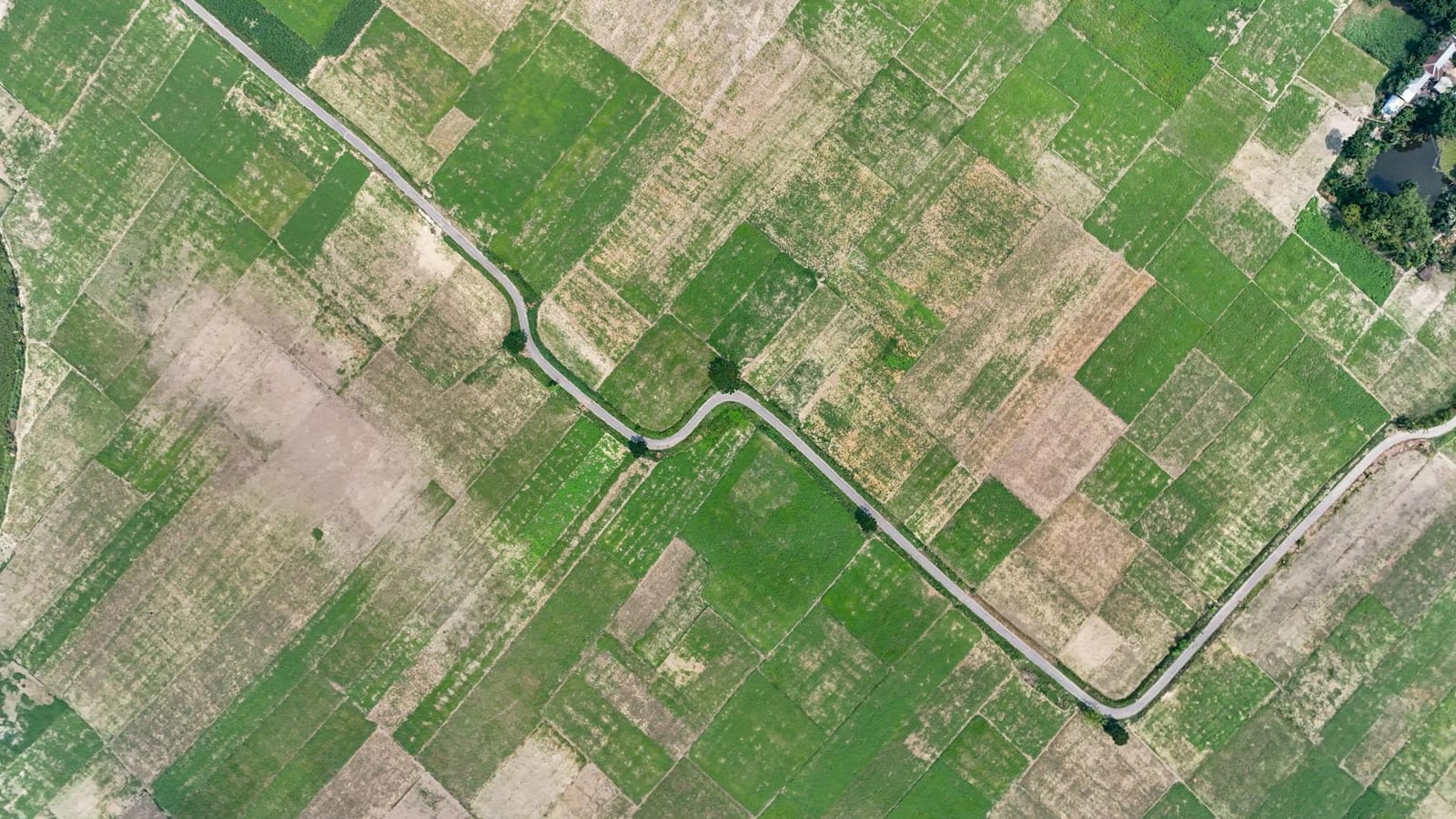
A five-acre land deal near Bhopal has suddenly become the kind of story every homebuyer understands. Buy early, wait for a road, watch the price climb.
Only here, the buyers were not ordinary investors hunting for the next hot suburb. The documents point to serving and retired civil servants, including IAS and IPS officers from several states.
That is why this is no routine property story. It is about land, timing, public projects, and a question that makes people deeply uneasy. Who gets to know where growth will arrive before everyone else does?
Officers bought land near Bhopal
On April 4, 2022, a group of 50 recorded buyers jointly purchased 2.023 hectares of agricultural land at Guradi Ghat village in the Kolar belt near Bhopal.
The registration value stood at ₹5.5 crore. The market value shown in the documents was ₹7.78 crore. On paper, there were 50 plot holders. The underlying records, however, point to 41 actual buyers behind those plots.
The list was not limited to Madhya Pradesh cadre officers. It included officers linked to Telangana, Haryana, Delhi, and Madhya Pradesh. Several were from the IAS and IPS services.
For an ordinary family, such a purchase may look like a long-term bet. People buy land on city edges because cities usually spread outward. But when so many senior public officials buy land together, on the same day, in the same village, the timing needs a sharper look.
The road changed the equation
Sixteen months after the purchase, on August 31, 2023, the Madhya Pradesh cabinet approved a ₹3,200 crore Western Bypass project.
That road is expected to pass close to the purchased land. The distance cited is about 500 metres. In real estate, that is not a small detail. A major road can turn a quiet field into a developer’s target.
Roads do more than move traffic. They move money. Once a bypass comes in, builders start looking for housing projects. Shops follow. Petrol pumps, warehouses, clinics, and schools begin circling the map.
Anyone who has seen Gurgaon, Noida, Hyderabad’s outskirts, or Pune’s fringe villages knows this pattern. The road comes first. The real estate boom arrives soon after. By the time the common buyer hears the buzz, the early gains are already gone.
That is why the sequence matters. First came the land purchase in April 2022. Then came the bypass approval in August 2023. Then came the land-use change in June 2024.
Farmland became residential land
The land was originally agricultural. Ten months after the bypass approval, its use was changed to residential.
This change is crucial. Agricultural land usually has limited commercial value unless buyers expect future conversion. Residential land, by contrast, can be carved into plots or used for housing projects, subject to local rules.
In simple terms, the paper changed the land’s earning power. A field that could grow crops could now hold homes. That is when the price story became striking.
In 2022, the land worked out to around ₹81.75 per square foot. By June 2024, the rate had reached ₹557 per square foot. That pushed the value of the roughly five-acre parcel to about ₹12.13 crore.
Current local estimates put the rate much higher, between ₹2,500 and ₹3,000 per square foot. At that level, the land could be worth between ₹55 crore and ₹65 crore.
So a parcel bought for around ₹5.5 crore by registration value could now sit in a vastly different price bracket. That is the kind of jump that turns a land file into a public-interest question.
Why the timing matters
No one should pretend that officers cannot buy property. They can. They must declare assets under service rules, and the details here came from property disclosures.
The issue is not ownership by itself. The issue is whether public officials had access to information that ordinary citizens did not have.
A bypass worth ₹3,200 crore does not appear overnight. Such projects move through surveys, alignments, discussions, departmental notes, cabinet papers, and financial approvals. Even before formal approval, many people inside the system may know where the road could run.
That creates a problem. If people close to government decisions buy land before a major public project, the public naturally asks whether the playing field was fair.
This is not just about one village near Bhopal. Across India, land around highways, airports, industrial corridors, and metro routes often becomes a magnet for silent speculation. Small farmers may sell early at modest rates. Better-informed buyers wait for the official announcement.
By the time the project becomes public, the original seller has lost the upside. The later buyer captures it.
That does not automatically prove wrongdoing in this case. But it does show why transparency matters. When public servants invest around future public infrastructure, the standard should be higher than a private investor’s standard.
The missing society question
The land has not yet been registered under any housing society, based on the available details. That matters because a residential project usually needs a clear structure.
Before homes or plots can be formally allotted, land generally has to move into the name of a society, developer entity, or another approved structure. Without that, the project remains in an in-between zone.
For buyers and nearby residents, this creates uncertainty. Will this become a gated colony? Will the plots be sold? Will infrastructure like water, sewage, and approach roads come first? Or will prices rise while the actual development waits?
This is where ordinary people often pay the price. A farmer sells land before the boom. A salaried buyer enters late, after prices jump. A small builder gets priced out. Local services then strain under speculative growth.
The government may see the bypass as urban infrastructure. Investors may see it as appreciation. But residents see something more basic. They ask whether roads, drains, schools, and transport will keep pace with land prices.
That question rarely gets enough attention in India’s urban expansion story.
The Bhopal land deal now needs clean answers, not noise. Who were the buyers? What did they know? When did the bypass alignment become clear inside government files? And did every approval follow the rulebook?
For ordinary Indians, this story is not only about officers and farmland. It is about trust. Public projects should raise the value of public life first, not just private plots. When a road is built with taxpayer money, people deserve confidence that the first benefit did not quietly go to those closest to power.