Bhopal land deal by IAS, IPS officers under lens after road nod
A joint land purchase by IAS and IPS officers near Bhopal is under scrutiny after a Rs 3,200 crore bypass approval sent plot values sharply higher.
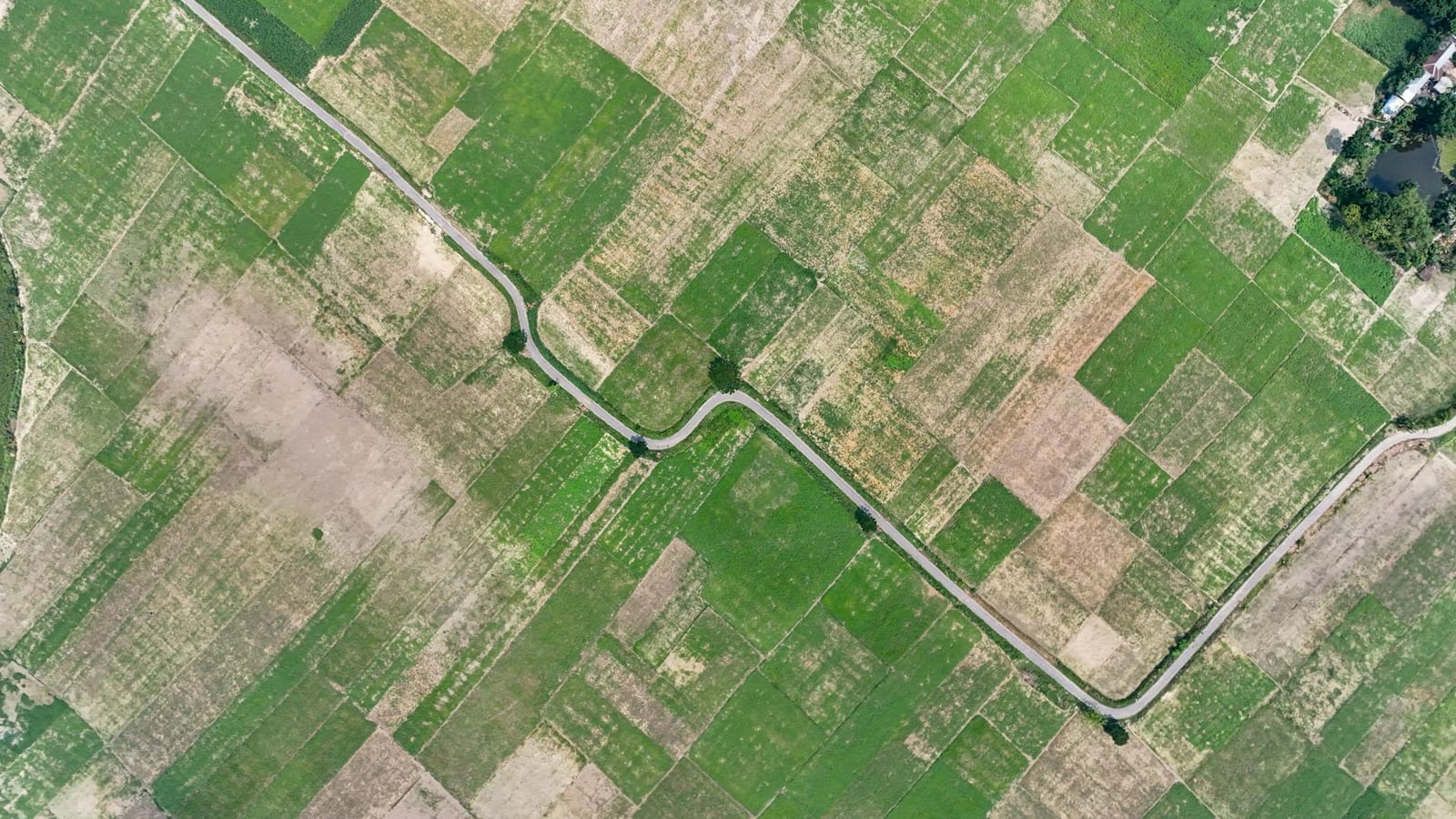
A five-acre patch near Bhopal has done what most investments only dream of doing. It turned ₹5.5 crore into a possible ₹55 crore to ₹65 crore story in barely two years.
That alone would make people sit up. But this land was bought jointly by serving IAS and IPS officers, and a ₹3,200 crore bypass was cleared nearby 16 months later.
The paper trail now raises a simple, uncomfortable question. Did some of India’s most powerful officials simply make a smart real estate bet, or did they know something ordinary buyers did not?
Officers bought land together
The land sits in Guradi Ghat village, in the Kolar belt near Bhopal. On April 4, 2022, a group of 50 people jointly registered 2.023 hectares of agricultural land.
The buyers included IAS and IPS officers from several cadres. The list was not limited to Madhya Pradesh officers. It reportedly included officials connected with Telangana, Haryana and Delhi as well.
On paper, 50 names appear as buyers. But the registration details suggest 41 actual buyers stood behind the 50 plots. That detail matters because collective land purchases often use multiple plot entries for later division.
The registered transaction value stood at ₹5.5 crore. The market value shown in the papers was ₹7.78 crore. At that point, the land was still agricultural.
For a regular buyer, agricultural land near a growing city can be attractive. But it carries limits. You cannot simply build homes on it without a change in land use.
That is where this story becomes more than another land deal.
Bypass approval changed the math
On August 31, 2023, around 16 months after the purchase, the state cabinet approved a ₹3,200 crore Western Bypass project.
The proposed road lies about 500 metres from the purchased land. In real estate, that is not a small detail. A major road can change the value of nearby land almost overnight.
Roads bring access. Access brings builders. Builders bring colonies, shops, schools and offices. Once that chain begins, land stops behaving like land. It starts behaving like a future city.
This is why highway alignments, bypass approvals and metro routes become gold dust in India’s property market. A small buyer usually hears about them late. Officials, planners and well-connected investors often hear the first murmurs much earlier.
No authority has said these officers broke the law. But the timing demands scrutiny because public officials handle or access state information that can affect land prices.
In business language, this looks like an information advantage. In ordinary language, it means someone may know where the road will come before everyone else does.
Farm land became residential
The second big shift came in June 2024. The land use changed from agricultural to residential.
That changed the nature of the asset. Agricultural land earns value from farming or future hope. Residential land earns value from construction potential.
For a farmer, the difference is life-changing. For an investor, it is the whole trade.
The reported price shows the jump clearly. In 2022, the land was bought at about ₹81.75 per square foot. By June 2024, the rate had moved to ₹557 per square foot.
That lifted the value from roughly ₹5 crore to about ₹12.13 crore. Current local estimates now place the rate between ₹2,500 and ₹3,000 per square foot.
At those prices, the same land could be worth ₹55 crore to ₹65 crore. That is roughly an eleven-fold increase from the purchase value.
Now compare that with what most Indians see. A salaried family takes a 20-year home loan and watches every rate change nervously. A small shop owner waits years for a road project to actually improve footfall.
Here, a group of officials bought before a major public project got approved nearby. Then the land category changed. Then the value shot up.
That sequence is exactly why the matter deserves public attention.
The missing society question
There is another practical wrinkle. No society has reportedly been registered for the land so far.
Before a residential project can move cleanly, the land generally has to move into a society’s name, or plots must be allotted formally. Without that, buyers, members and authorities can face a messy ownership trail later.
This matters because group purchases by officers are often presented as cooperative or welfare-style housing plans. That sounds harmless at first. Government employees also need homes, like everyone else.
But the problem begins when such purchases sit close to future public infrastructure. The state decides the road. The state controls land use. The state’s own officers then benefit from the price jump.
That does not automatically prove wrongdoing. But it creates a conflict that cannot be brushed aside.
A kirana store owner near a new road cannot change land classification. A young professional cannot see cabinet files. A farmer may not know whether to sell today or hold for two years.
Officials, by contrast, sit much closer to the machine that creates value in land.
Why this story matters
India’s real estate market often runs on one quiet question: who knew first?
Sometimes the answer is a broker. Sometimes it is a local politician. Sometimes it is a developer who can read the direction of a city better than others.
But when the buyers include IAS and IPS officers, the standard must be higher. These are not ordinary private investors. They are public servants with access, status and influence.
The disclosures of immovable assets exist for exactly this reason. They allow citizens to see whether official wealth matches salary, service rules and ethical conduct.
The authorities should now answer three plain questions. When did planning for the bypass begin? Who had access to route details before cabinet approval? Who cleared the land use change, and on what grounds?
The answers may show that every step followed the rules. If so, the state should place the facts in public.
But silence will damage trust. People already believe real estate rewards those with inside access. This case will deepen that belief unless officials explain the timeline clearly.
For ordinary Indians, the issue is not just one parcel of land near Bhopal. It is whether public information creates private wealth before citizens even know what is coming. That is the part worth watching now.