Bhopal Land Deal Faces Scrutiny Over Officers and Road Link
A land purchase by 50 IAS and IPS officers near Bhopal is under scrutiny after a major road project was cleared and local plot values surged.
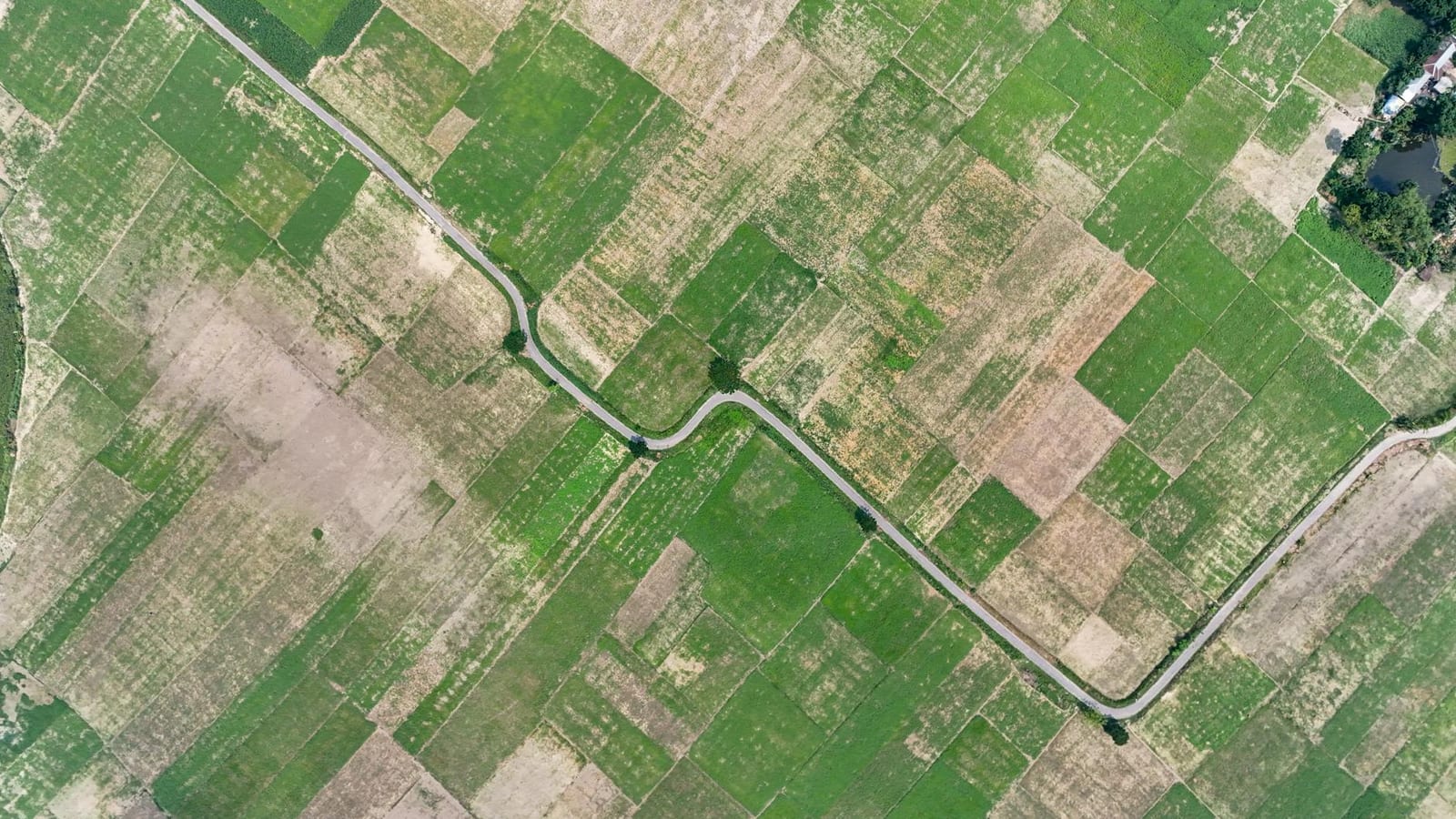
A small patch of farmland near Bhopal has turned into a very large question.
On paper, the story begins with 2.023 hectares bought for ₹5.5 crore. In the real world, it sits close to a ₹3,200 crore road project, involves serving and former senior officers, and has seen land values jump sharply in barely two years.
For ordinary Indians, this is not just another land story. It touches the oldest suspicion around big infrastructure, who knows first, who buys early, and who makes the cleanest profit.
Officers bought land together
Property disclosures by government officers show that 50 people jointly bought agricultural land in Guradi Ghat, a village in the Kolar belt near Bhopal.
The registration took place on April 4, 2022. The land measured 2.023 hectares, roughly five acres. The registered value stood at ₹5.5 crore, while the market value in the papers was shown as ₹7.78 crore.
The buyers were not all from one state cadre. The names included IAS and IPS officers linked to Madhya Pradesh, Telangana, Haryana, and Delhi.
The documents list 50 plot holders. But the paperwork suggests that behind those 50 plots, there were 41 actual buyers.
That detail matters. Large group purchases are common in private layouts. But when senior public servants buy together in a growing urban corridor, every later government decision around that land deserves closer attention.
The road approval came later
Sixteen months after the purchase, the Madhya Pradesh cabinet approved the Western Bypass on August 31, 2023.
The proposed bypass is worth ₹3,200 crore. It is expected to pass around 500 metres from the land bought by the officers.
That distance is important. In India, a new road does not merely shorten travel time. It rewrites the price of nearby land.
A farmer may see fields turn into plotted layouts. A small builder may suddenly eye a project. A broker may start quoting rates that looked absurd a year earlier.
This is how the land market works around cities. Roads bring buyers. Buyers bring developers. Developers bring paperwork. The price usually moves before the first truck arrives.
The uncomfortable question is timing. The land purchase happened in April 2022. The road approval came in August 2023. The change in land use came after that.
No public record cited so far proves wrongdoing. But the sequence raises the one question every taxpayer will ask, did any buyer know more than the market did?
Farmland became residential land
The land was first bought as agricultural land. In June 2024, about 10 months after the bypass approval, its use was changed to residential.
This change is often where the real jump happens. Agricultural land has one price. Residential land near a planned road has another price altogether.
For a lay reader, land use is simple. It tells you what the land can legally become. Farming land cannot automatically become a housing layout. Residential land can.
That one stamp can change the economics of a plot. It can turn a long-term bet into a far more valuable asset.
The source records say no society has been registered there yet. Before any residential project moves ahead, the land would normally need to be transferred to a society or individual plots would need allotment.
That means the story is still unfinished. The paper value has moved. The next step will show whether this remains a private investment or becomes a full housing project.
Prices jumped in two years
When the land was bought in 2022, the rate worked out to about ₹81.75 per square foot.
By June 2024, after the land use change, the rate had climbed to ₹557 per square foot. That pushed the value of the land to around ₹12.13 crore.
Current local estimates place the rate far higher, between ₹2,500 and ₹3,000 per square foot. At that level, the same land could be worth ₹55 crore to ₹65 crore.
That is the kind of rise that makes small investors stare at their fixed deposits and laugh bitterly.
The increase also shows why land around infrastructure projects attracts the sharpest money. A road can create wealth faster than a factory. It can do so before any visible work starts.
But this gain also creates unease. When ordinary families buy land, they usually learn about upcoming roads through rumours, brokers, and late-night WhatsApp forwards. Senior officials sit much closer to the machinery of government.
That difference is the heart of the matter. The law may look at documents. Public trust looks at timing, access, and fairness.
Why this matters beyond Bhopal
India needs roads. Bhopal needs better connectivity as the city spreads outward. A bypass can reduce congestion, improve travel, and unlock new housing.
But infrastructure also creates winners before the public understands the map.
A kirana store owner in a growing suburb may pay more rent after such a project. A young couple looking for a plot may find prices running away. Farmers nearby may receive tempting offers, then watch later buyers make much larger gains.
That does not mean every early buyer did something wrong. Land investment always involves risk. People buy before approvals all the time.
The higher standard comes from public office. IAS and IPS officers handle files, law and order, permissions, and policy. Even when they act as private citizens, their investments carry public weight.
That is why disclosure rules exist. Officers must declare assets because the public has a right to spot patterns. A single plot purchase may mean little. A cluster of senior officers buying together near a future road means far more.
The government can clear the air with simple answers. Who processed the bypass proposal? When did the route become known inside the system? Who approved the land use change? Did any buyer have official access to related files?
These questions need documents, not noise. They also need speed. In land matters, delay helps only those who already hold the asset.
For now, Guradi Ghat has become more than a village on Bhopal’s edge. It has become a test of how India handles the meeting point of power, property, and public money. Roads should create opportunity for the many, not suspicion that the few got there before everyone else.