Bhopal land bought by senior officers surges after road nod
Records show IAS and IPS officers bought land near Bhopal before a Rs 3,200 crore road approval sent local plot values sharply higher in Guradi Ghat.
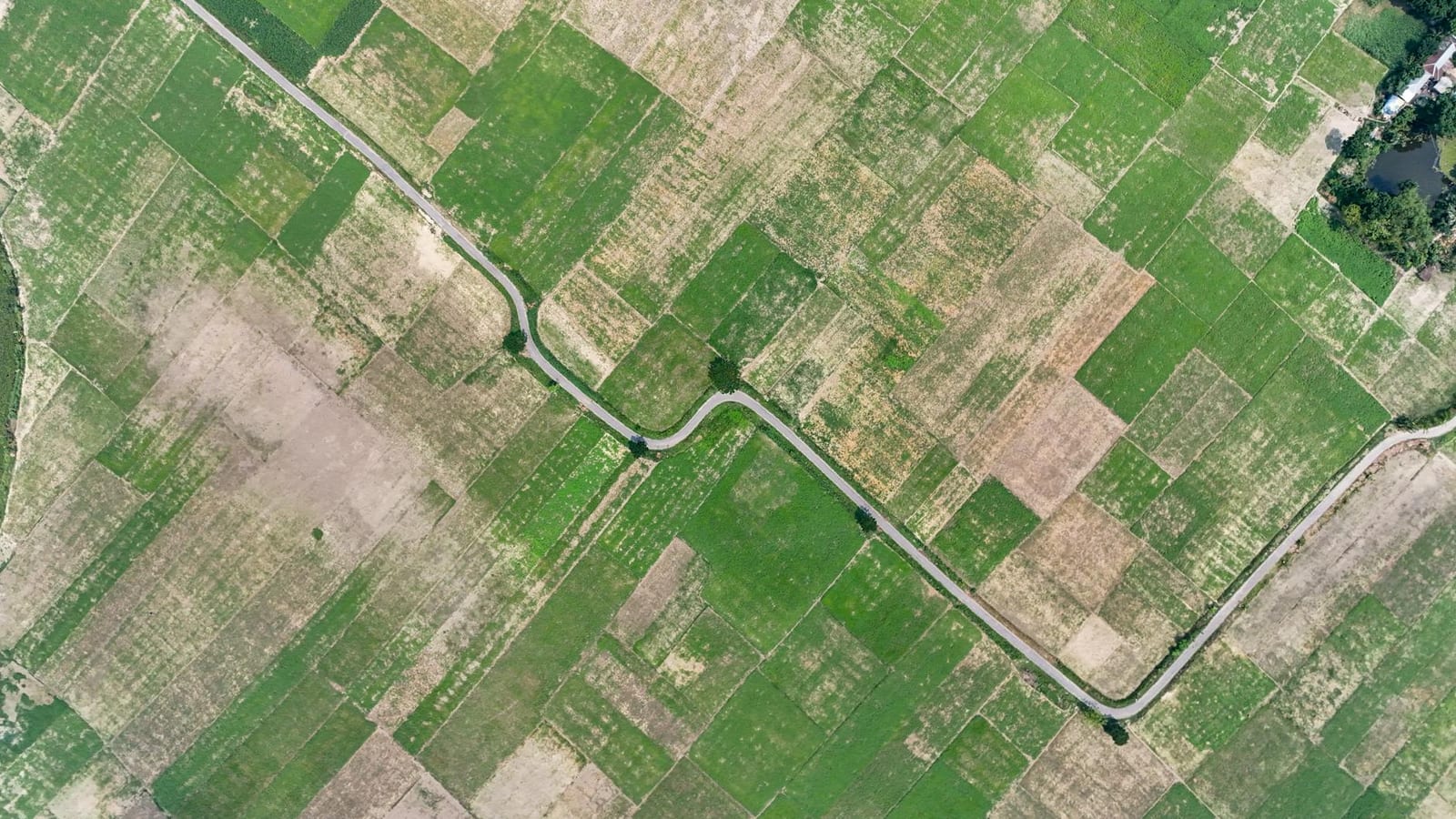
A five-acre patch near Bhopal has done what most salaries never can. It has multiplied in value at a dizzying pace, after 50 senior officers bought it together.
The land sits in Guradi Ghat village, in the Kolar belt of Bhopal. On paper, it began as agricultural land. In the market, it has now become a sharp lesson in how roads, zoning, and timing can change wealth.
Property disclosures and land records show that officers from the IAS and IPS bought the plot on April 4, 2022. Sixteen months later, the state cabinet cleared a ₹3,200 crore road project nearby.
Officers bought land together
The land deal involved 2.023 hectares, or roughly five acres, in Guradi Ghat. The registration value stood at ₹5.5 crore. The market value shown in the documents was ₹7.78 crore.
The records list 50 buyers. But the details suggest there were 41 actual purchasers behind these 50 plots. The buyers included serving officers from Madhya Pradesh, Telangana, Haryana, and Delhi.
This is where the story becomes uncomfortable. Government officers can legally buy property, if they follow service rules and disclose assets. The issue here is not mere purchase. The issue is timing, location, and what happened soon after.
The land lay close to the route of the proposed Western Bypass. That road was not a small neighbourhood improvement. It was a ₹3,200 crore project, the kind that can change land prices across an entire belt.
Bypass approval changed the math
On August 31, 2023, the Madhya Pradesh cabinet approved the Western Bypass. The proposed road passes about 500 metres from the land bought by the officers.
Anyone who has watched Indian real estate knows this pattern. A new road does not just cut travel time. It creates a new price map. Fields become future colonies. Villages become investment zones. Farmers, brokers, builders, and government employees all start doing fresh arithmetic.
For ordinary buyers, such price jumps usually arrive too late. By the time a road becomes public knowledge, the first wave of gains has often gone. The retail buyer enters later, paying the premium created by infrastructure.
That is why this deal will raise questions. Did the buyers simply make a lucky bet? Or did some of them have a clearer view of future plans than ordinary citizens could have had? The available records do not prove wrongdoing. But they do justify scrutiny.
Agricultural land became residential
The land use changed in June 2024, about ten months after the bypass approval. Earlier, the land was marked for agricultural use. After the change, it became fit for residential use.
This matters because agricultural land usually sells cheaper than residential land. A farmer can grow crops on it, but a developer cannot simply build homes without permission. Once the land gets residential status, its market value can jump sharply.
The numbers tell the story plainly. In 2022, the land was valued at about ₹81.75 per square foot. By June 2024, that figure had climbed to ₹557 per square foot.
That pushed the value of the land to around ₹12.13 crore. Current market rates in the area are reported between ₹2,500 and ₹3,000 per square foot. At those rates, the same land could be worth ₹55 crore to ₹65 crore.
For a salaried officer, this is not a normal return. For a small business owner, it is the sort of appreciation that can take a lifetime. For a farmer who sold early, it can feel like watching someone else harvest the real crop.
No society registered yet
The land has not yet been registered under any housing society, according to the available details. Before a residential project can move ahead, the land would usually need to be transferred to a society or divided into plots.
That stage will be important. It will show whether this was a long-term group investment, a planned housing project, or a transaction waiting for further value creation.
The government also has a duty here. It must make the approvals easy to trace. Who proposed the bypass alignment? When did the route become known inside government departments? Which authorities cleared the land-use change? Were all service rules followed by the officers?
These are not small questions. Civil servants often deal with files that shape land values. Even the appearance of early access can damage public trust. When officers invest near future infrastructure, the system must show clean paperwork, not just legal paperwork.
Why this matters beyond Bhopal
This story is bigger than one village near Bhopal. Across India, infrastructure has become the new engine of private wealth. A highway, metro line, airport road, or ring road can turn cheap land into prime property within months.
That can be good for growth. Better roads bring housing, shops, warehouses, schools, and jobs. Landowners can gain. Local businesses can grow. Cities can breathe a little easier if traffic gets diverted well.
But the gains are rarely equal. People with better information move first. People with deeper pockets hold land longer. Ordinary families arrive later, often through home loans, paying the higher price for the same location.
That is why transparency matters. If a ₹3,200 crore public project creates private gains, citizens deserve to know who benefited, when they bought in, and whether the rules stayed fair.
The Guradi Ghat land deal may yet turn out to be fully legal. But legality alone will not answer the deeper question. In a country where a road can create crores in private wealth, the public must be sure the map was not visible to a privileged few before everyone else saw it.