Andhare alleges Chakankar link to Ashok Kharat case
Sushma Andhare claimed Rupali Chakankar stayed with Ashok Kharat in Guwahati, intensifying questions around the alleged abuse case in Maharashtra.
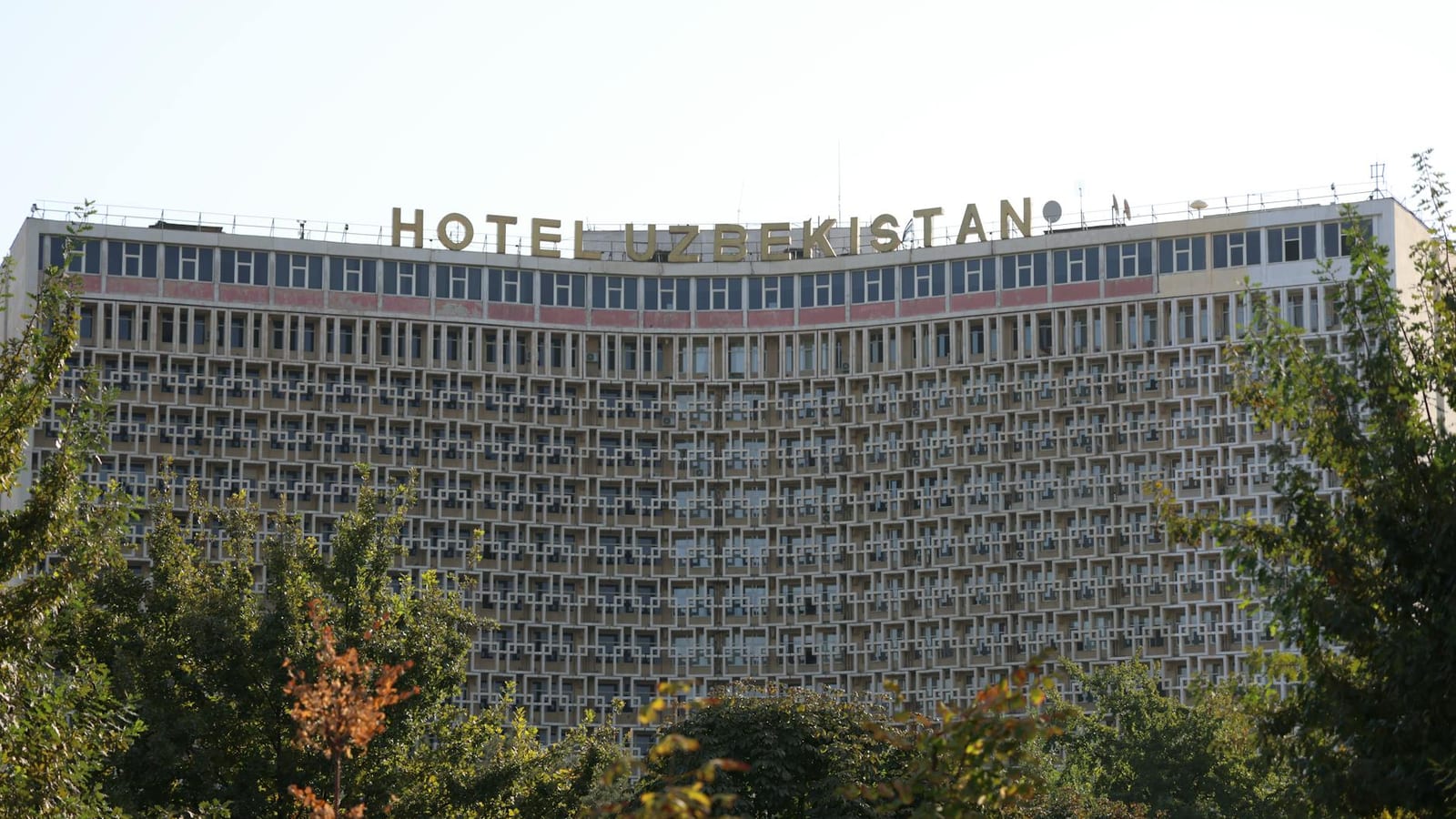
A hotel stay in Guwahati has now become a political grenade in Maharashtra.
At the centre of it sits a deeply disturbing case against Ashok Kharat, a self-styled spiritual figure accused of exploiting women through fear, superstition and claims of supernatural power.
Now, Sushma Andhare has dragged Rupali Chakankar into the row, alleging that Chakankar and her sister stayed with Kharat for three days at Hotel Blue Radisson in Guwahati.
Andhare sharpens attack on Chakankar
Andhare, a senior leader from Shiv Sena (Uddhav Balasaheb Thackeray), made the allegation through a Facebook post.
She claimed that Chakankar, who has denied links with Kharat, had in fact stayed with him in Guwahati. Andhare also asked whether Chakankar’s sister, Pratibha Chakankar, was present during that stay.
This is not a small political barb. Chakankar is a former chairperson of the Maharashtra State Commission for Women. She has also held a senior post in the women’s wing of the Nationalist Congress Party.
That background matters. When a leader associated with women’s rights faces questions linked to a case involving alleged abuse of women, the political heat rises fast.
Andhare has also pointed to the Enforcement Directorate’s move to call Chakankar for questioning in a matter involving alleged financial irregularities. Chakankar has not been found guilty of any wrongdoing.
At this stage, the key point is simple. Andhare has made serious allegations. Investigators and courts will decide what has evidence and what does not.
Kharat case gets darker
The larger case against Ashok Kharat is far more disturbing than the political fight around it.
Police records show several cases against him across Nashik and Ahilyanagar districts. These include allegations of sexual assault, cheating, illegal money lending and offences under the anti-superstition law.
The allegations suggest a familiar and frightening pattern. A man claims spiritual power. He builds fear in vulnerable people. He uses talk of danger, destiny and rituals to gain control.
For many families, this is not an abstract legal issue. In smaller towns and semi-urban pockets, such figures often gain trust faster than institutions do.
A woman in distress may first reach a faith healer before she reaches a counsellor, lawyer or police station. That gap becomes dangerous when someone uses belief as a weapon.
The police say eight of the cases involve sexual assault allegations. Other cases relate to cheating, superstition-related offences and money lending.
The first two major cases have now moved forward in court. The special investigation team has filed detailed chargesheets running into more than 2,000 pages.
Police have recorded statements from 105 witnesses in these two cases. That number tells us the case is not resting on one complaint or one stray allegation.
SIT files detailed evidence
The Maharashtra Police began the special investigation on March 20, 2026, after orders from the state police chief.
The SIT includes Superintendent of Police Tejaswi Satpute, Deputy Superintendents Amol Bharti and Kirankumar Suryavanshi, and Senior Police Inspector Trupti Sonawane. In all, 24 police officers and personnel are part of the team.
That size tells us the state sees this as a major case. It also suggests the investigation may cover several locations, digital trails and financial records.
Police say they have collected oral, physical, documentary, circumstantial and electronic evidence. In plain language, that means witness statements, objects, papers, surrounding facts and digital material.
The chargesheets have been filed using this evidence. The SIT has also said it may file supplementary chargesheets after collecting more statements and proof.
That is common in large criminal cases. Investigators first file what they have within legal timelines. Later, they add fresh material if the trail expands.
The cases are spread across Nashik city, Nashik rural, Ahilyanagar and Thane police limits. This makes the investigation more complex, because records and complainants may sit in different jurisdictions.
Police have also acted against online circulation of objectionable content linked to the case. They removed 13,175 links and permanently shut 451 social media accounts that allegedly shared offensive material.
That is important for victims. In cases involving sexual abuse, the second trauma often happens online. Images, videos and rumours can punish victims long after the alleged crime.
Politics enters a sensitive case
The political part of this story will get louder. That is how Maharashtra politics works, especially when women leaders, criminal allegations and party rivalry meet in one frame.
But the public should separate two things.
First, there is the criminal investigation into Kharat. That must stay focused on evidence, victims, financial trails and the exact offences alleged.
Second, there are Andhare’s allegations against Chakankar. Those claims need independent scrutiny. Political attacks can expose uncomfortable facts, but they can also race ahead of proof.
Chakankar’s public position and past role make questions fair. But fairness also requires patience. A person called for questioning does not automatically become guilty.
The Enforcement Directorate angle adds another layer. If investigators are examining alleged financial irregularities, they will need to establish money flow, benefit and intent.
For ordinary readers, that means one basic question. Did money move in a way that broke the law, and did anyone knowingly help it?
That question cannot be answered by speeches or social media posts. It needs documents, bank entries, witnesses and court-tested evidence.
Still, Andhare’s allegation about the Guwahati hotel stay has political weight because Guwahati itself carries memories in Maharashtra politics. The city became a symbol during the 2022 Shiv Sena rebellion.
So even a hotel name can trigger a larger political story here. It can suggest proximity, influence and hidden networks, whether or not those suggestions later stand up.
Why this matters beyond politics
This case also tells us something uncomfortable about power in public life.
Women’s safety is often treated as a slogan during elections. But when cases involve influence, money or political links, the system gets tested for real.
Victims watch how the state behaves. Families watch whether police protect them or expose them. Other women decide whether it is worth coming forward.
That is why the SIT’s work matters more than the political noise. A clean investigation can give victims confidence. A messy one can silence many others.
The business angle also sits quietly under the surface. Alleged cheating and illegal money lending often thrive where people lack access to trusted financial advice.
In many towns, a person in debt may go to a local strongman, fake spiritual guide or informal lender. That world runs on fear, shame and dependency.
When superstition and money mix, exploitation becomes harder to see. People may not even realise they are trapped until the damage is deep.
The courts will now examine the chargesheets. Investigators may add more evidence. Political leaders will continue to trade accusations.
But beyond the headlines, this case asks a plain question. When vulnerable people walk into the orbit of powerful men, who protects them before the harm is done?