Agadgaon Adhik Maas Feast Serves 15,000 Devotees
Agadgaon temple trust hosted a large Adhik Maas feast with 7,000 litres of aamras, serving 15,000 devotees and honouring 500 sons-in-law.
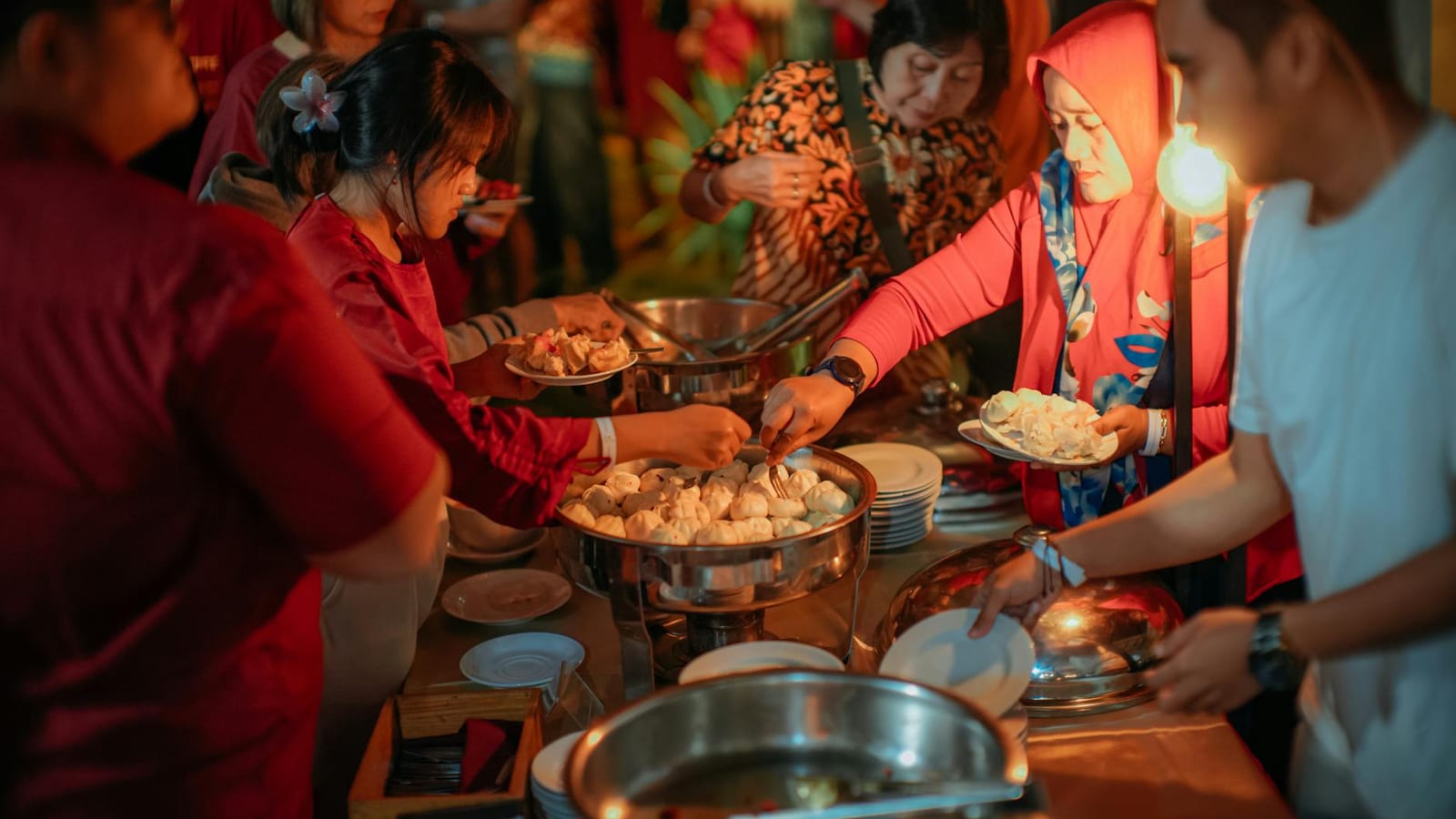
Seven thousand litres of aamras can turn faith into a full-scale local economy.
At Shri Kshetra Kalbhairavnath in Agadgaon, that is exactly what happened. The village marked Adhik Maas with a grand dhondyacha jevan, a traditional feast where sons-in-law receive special honour.
The numbers were not small. Organisers prepared food for more than 15,000 devotees and hosted around 500 sons-in-law. For a village event, this was less like a family meal and more like a carefully run food operation.
A feast with village-scale planning
Adhik Maas carries a special place in many Maharashtrian homes. Families welcome sons-in-law, perform aarti, offer gifts, and serve festive food.
In Agadgaon, the temple trust took that home ritual and made it public. Sons-in-law were welcomed in the traditional way. A musical procession moved through the village, giving the event the feel of a fair.
The temple trust said each son-in-law received five sets of clothes. Daughters were honoured with Paithani sarees. Families also received a copper puja plate, niranjan, battasa, and anarsa.
The package cost ₹3,500, organisers said. The amount was paid by the fathers-in-law of the invited sons-in-law. That one detail tells you how tradition and spending often sit together in rural Maharashtra.
Mangoes, milk and market demand
The food preparation was the heart of the story. Organisers bought 3,500 kg of Kesar mangoes and used 1,000 litres of milk. Together, they produced nearly 7,000 litres of aamras.
That is not just a religious offering. It is also a clear business signal. A single village event created demand for mango traders, transporters, milk suppliers, cooks, helpers, vessel suppliers, decorators, and local vendors.
For farmers and traders, such events matter. They move large volumes in one go. A mango seller does not need a business seminar to understand that 3,500 kg sold for one event is serious trade.
The puranpoli spread was just as large. Organisers said they bought one tonne of chana dal to make puran. The fried dhonda, made with wheat flour and sweet puran filling, was prepared for distribution.
In plain terms, the temple kitchen became a temporary factory. Raw material came in. Volunteers and cooks processed it. Thousands of plates went out.
Tradition becomes local commerce
This is where such festivals become more than devotion. They create short bursts of economic activity in places that rarely enter business headlines.
A small shopkeeper may sell more dry fruits, jaggery, flour, oil, spices, or utensils. Tailors may see extra work before the event. Saree sellers and garment shops benefit when families buy gifts.
In Ahilyanagar, where Agadgaon falls, temple-linked gatherings often pull people from nearby villages. That movement helps roadside tea stalls, transport operators, fruit sellers, and small eateries.
None of this looks like corporate growth. There are no quarterly results or investor calls. Yet the money is real, and it circulates locally.
A ₹3,500 gift package may look modest in a city mall. In a village economy, multiplied across hundreds of families, it becomes meaningful spending. It also supports crafts and retail chains that start far from big brands.
Paithani sarees, for example, are not just gifts. They represent a long textile tradition and a network of weavers, traders, and retailers. When such gifts remain part of rituals, they help preserve demand.
The social meaning of spending
The son-in-law ceremony may look playful from outside. Inside many Maharashtrian families, it carries emotion, status, and continuity.
Parents honour the man their daughter married. Daughters return to their maternal homes, often with children. Families gather around food, gifts, jokes, and ritual.
That is why spending on such occasions rarely follows cold logic. People spend because culture asks them to. They also spend because relationships need visible care.
There is another side too. Social customs can place pressure on families. A gift package, new clothes, food, and travel can pinch households with tight budgets.
That tension is not new. Indian celebrations have always carried both warmth and expense. The line between honour and burden depends on the family’s means.
In Agadgaon, the temple trust turned the custom into a collective event. That can reduce pressure in one way, because families participate in a shared format. It can also raise the scale of expectation for future years.
Why such events matter now
India’s economy is often explained through stock markets, factories, and startup funding. But much of the country still spends around seasons, faith, food, and family customs.
Adhik Maas is a good example. It does not arrive every year in the usual way. When it does, it triggers special rituals, temple visits, donations, and family hosting.
For businesses, that means demand can appear suddenly and intensely. The buyers may not speak in market language. Still, their choices move goods from farms and workshops into homes and temple grounds.
The Agadgaon event also shows the power of community organisation. Feeding more than 15,000 people needs planning, cash flow, storage, labour, and crowd management.
A badly planned feast can become chaos. A well-run one can lift the village’s profile and bring visitors back. That reputation has value, even if nobody puts it on a balance sheet.
For ordinary readers, the lesson is simple. India’s consumption story does not live only in malls and apps. It also lives in a temple courtyard, in mango pulp stirred before sunrise, and in a father buying a saree for his daughter before the village gathers.